Fish species
At TomsCatch.com, you can find more than 100 species with photos and general descriptions of their distribution around the world, their preferred habitats, and the best techniques for catching each species. Discover which fishing guides or charters specialize in which species, what techniques they use, and learn the secret tricks of the world's best guides.
-
![]()
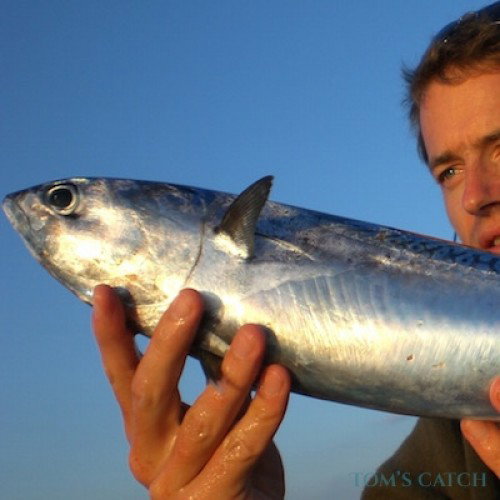
Albacore tuna (Thunnus alalunga). It has quite large eyes and differs from other tunas because it has a longer and larger pectoral fin (hence its Latin name: alalunga). The largest specimens can reach 1.40 m and weigh up to 40 kg.
MORE INFO >Albacore
-
![]()
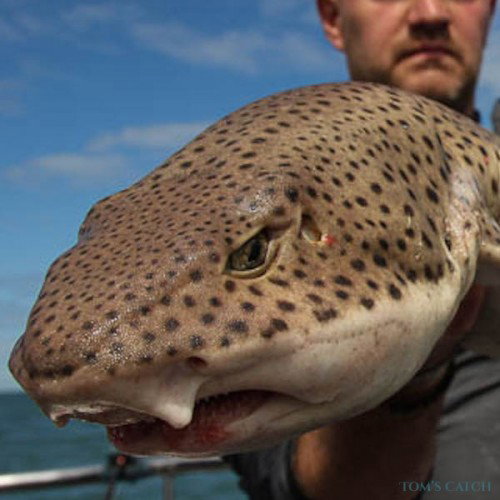
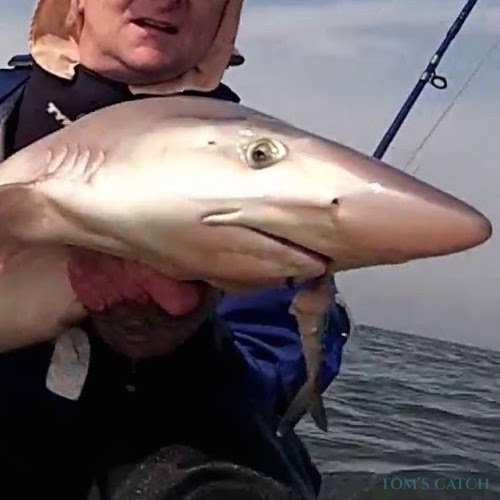
The common lanternshark (Scyliorhinus stellaris) is a species found from the British Isles, North Sea, Bay of Biscay, Portugal to the Canary Islands and Senegal. Fishing in Mediterranean waters, it is a nocturnal animal, inhabits rocky bottoms and has a spectacular yellowish skin with dark speckles. It can reach a length of 1.6m.
MORE INFO >Alitan
-
![]()
Amberjack ( Seriola dumerili), also known as Amberjack, Lemon Fish, Verderol and in the Canary Islands Medregal, inhabit the rather warm waters of the Pacific Ocean, the Atlantic and the Mediterranean. The best way to fish them is by jigging or with live bait. They can weigh up to 80 kg.
MORE INFO >Amberjack
-
![]()
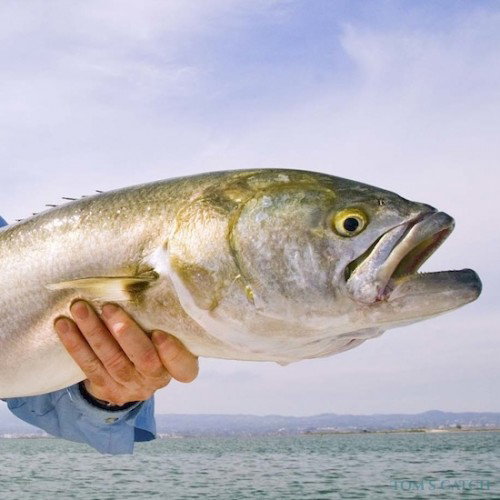
The bluefish(Pomatomus saltatrix), also known as chough or tallahams, is a very popular species among fishing enthusiasts because of its aggressiveness, strength and speed. During the fight they usually make several spectacular jumps to try to get rid of the hook. They can measure more than one meter and weigh more than 10kg.
MORE INFO >Anjova
-
![]()
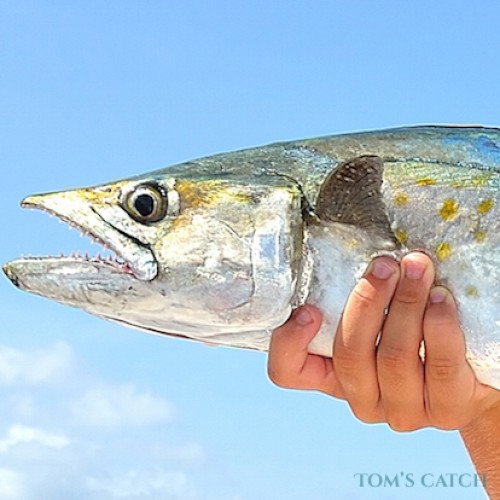
The Atlantic mackerel (Scomberomorus maculatus), sometimes also called the painted mackerel, is a species of the mackerel family. It is found in the Atlantic Ocean in Mexican, Gulf of Mexico and Florida waters. They have very sharp teeth and can weigh up to 6kg. It is very similar to the pike mackerel and the sierra.
MORE INFO >Atlantic mackerel
-
![]()
The Australian herring ( Arripis georgianus) is a small Australasian fish species. It resembles the Australian Salmon. The Australian herring is not biologically related to the herring.
MORE INFO >Australian Herring
-
![]()
The Australian salmon, Arripis trutta, is also known as kahawai in New Zealand. The species can be caught in colder waters around the southeast and southwest coasts of Australia and the New Zealand coast. Although known as salmon, this species is not related to salmon.
MORE INFO >Australian salmon
-
![]()
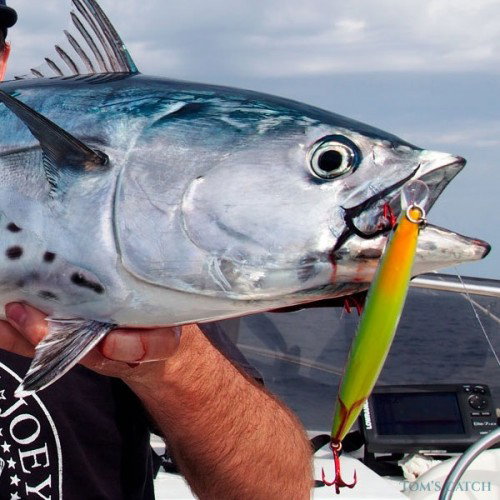
The Atlantic bluefin tuna (Euthynnus alletteratus) is easily recognized by its dark spots next to the dorsal fins on the side. This tuna is common in tropical and temperate waters of the Atlantic Ocean and the Mediterranean. The largest specimens weigh more than 17kg and are over 1.2m long.
MORE INFO >Bacoreta
-
![]()
The barracuda (Sphyraena barracuda) , with its torpedo-like shape, strength and famous teeth, is an elite hunter, moving along the reefs, mangroves and ridges of the tropical and subtropical oceans. They can exceed 1.5 meters long and weigh more than 45 kg.
MORE INFO >Barracuda
-
![]()
The Barramundi (Lates calcarifer) is one of Australia's most iconic and exciting species. They live in the northern regions of Queensland, Northern Territory and Western Australia. Barramundi can weigh up to 60 kg.
MORE INFO >Barramundi
-
![]()
Bigeye tuna(Thunnus obesus), known in the Canary Islands as tuna, is a member of the tuna family, along with bluefin tuna, yellowfin tuna and albacore. They can exceed 2 meters and weigh up to 200 kg. This pelagic fish is fished in temperate and tropical seas (except the Mediterranean). Trolling is the best fishing technique.
MORE INFO >Bigeye tuna
-
![]()
Black bass ( Micropterus) is a common name for several species such as largemouth bass, smallmouth bass and spotted bass among others. Famous for its strength and fighting ability, it is a very popular fish among fishing enthusiasts. It can reach up to 60 cm.
MORE INFO >Black Bass
-
![]()
Black marlin (Istiompax indica) are slightly larger than blue marlin. They can reach a length of 4.5m and weigh more than 750kg. They belong to the family of billfishes: marlin, swordfish and imperial marlin.
MORE INFO >Black marlin
-
![]()
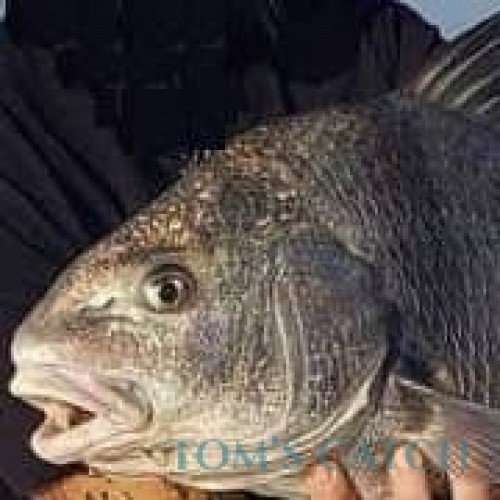
The black sea bass (Pogonias cromis) is a popular saltwater species found from Delaware Bay to Florida and the Gulf of Mexico. It is abundant along the Texas coast. Juvenile fish have distinctive dark stripes, but as they grow older their color fades to dark gray. The largest known black drum exceeds 50 kg.
MORE INFO >Black sea bass
-
![]()
The Blue Marlin(Makaira nigricans) is probably the most iconic species for sport Anglers. This fantastic fighter feeds mainly on fish, octopus and squid. It is usually caught trolling offshore, using artificial lures or natural bait (bonito, mackerel...).
MORE INFO >Blue Marlin
-
![]()
The blue shark is a pelagic shark also known as the blue shark(Prionace glauca). It is found in all seas and oceans where it feeds on fish and squid, although it also eats larger prey.
MORE INFO >Blue shark
-
![]()
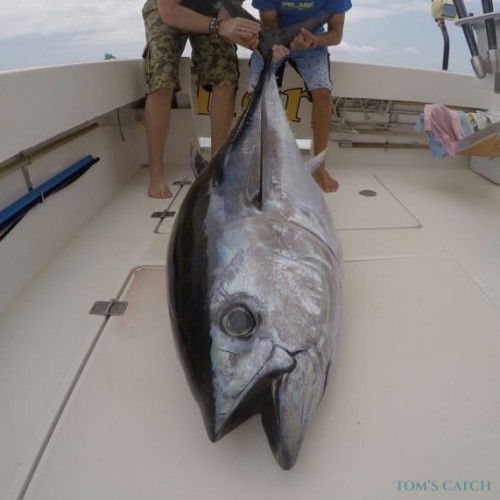
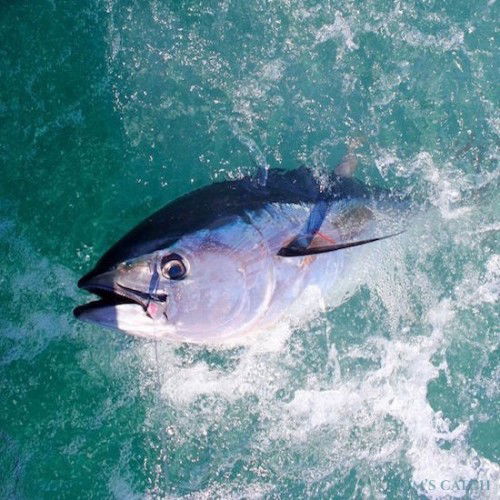
The bluefin tuna(Thunnus thynnus) is a pelagic fish that can weigh up to 500kg. The largest bluefin tuna, in fact, weighed 780kg. These large predators can be fished offshore by trolling, jigging, spinning or baiting.
MORE INFO >Bluefin Tuna
-
![]()
The bluefin trevally (Caranx melampygus) is the first cousin of the giant trevally (GT) and also of the jack mackerel. It lives in tropical waters of the Indian and Pacific Ocean. It is easily recognized by its electric blue fins. They can weigh up to 40kg and measure up to one meter long.
MORE INFO >Bluefin trevally
-
![]()
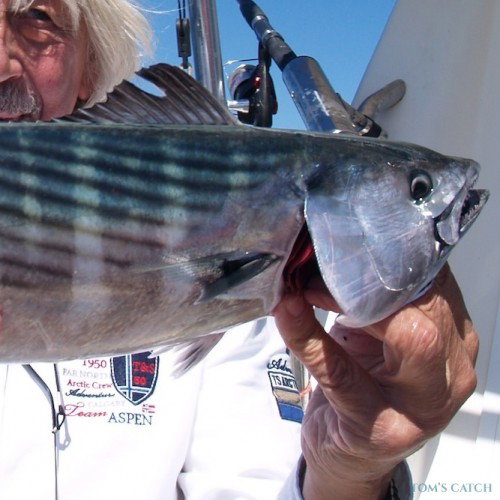
The bonito(Sarda sarda sarda), also called Sierra in the Canary Islands, is a fast tuna and a hunter of sardine, anchovy, horse mackerel and mackerel. It has a dark striped back, while its belly is silver. They can reach 80 cm in length and weigh up to 8 kg.
MORE INFO >Bonito
-
![]()
Brown trout (Salmo trutta), also known as brown trout or sea trout, actually has two variants: a saltwater Salmo trutta trutta trutta, and a freshwater Salmo trutta fario. Some experts even distinguish a third lake variant Salmo trutta lacustris.
MORE INFO >Brown trout
-
![]()
Carp (Cyprinus carpio) originated in Asia and was introduced to Europe centuries ago. In the Middle Ages monks farmed carp in ponds and lakes for food. Carp are a popular species among sport fishing enthusiasts and can weigh up to 40 kg.
MORE INFO >Carp
-
![]()
Catfish are a diverse group of several Species that have one thing in common: their baleen. They come in all sorts of colors and sizes, including the Mekong catfish, the European catfish, and the South American variants of the piranha. Catfish are the largest freshwater fish in the world and can grow up to 5 meters long and weigh more than 300kg!!!
MORE INFO >Catfish
-
![]()
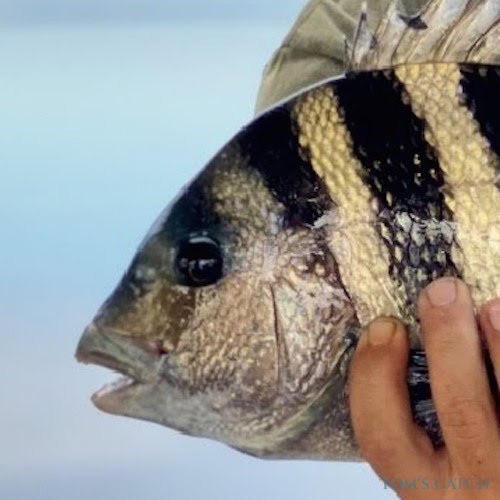
The sheepshead (Archosargus probatocephalus) is a round, silvery-gray fish with dark vertical bars on the side. It is found in the coastal waters of the western Atlantic from Nova Scotia to Brazil. Southwest Florida is one of the best places to fish for this species. The sheepshead can grow up to 76 cm (30 inches).
MORE INFO >Chopa bream
-
![]()
The cobia (Rachycentron canadum) is distributed in temperate and tropical seas (Atlantic Ocean, Caribbean, Indian Ocean and Pacific Ocean). It is easily recognized by its flattened head and dark brown body and feeds mainly on crabs, squid and fish.
Cobia can reach up to 2 m in length and weigh up to 78 kg. Cobia is a good eating fish; it has a mild and sweet taste.
MORE INFO >Cobia
-
![]()
Cod is a generic name for different species, including among others Atlantic cod (Gadus morhua) and Pacific cod (Gadus macrocephalus). Cod live in cold northern waters, near wrecks, rocky areas and ridges. They can weigh more than 50kg.
MORE INFO >Cod
-
![]()
The coral trout (Plectropomus leopardus) is a species that belongs to the same family as grouper and sea bass. This fish reaches 62 cm in length and can weigh up to 6 kg. They are found in the Western Pacific Ocean in destinations such as Tonga, Fiji, Japan, French Polynesia and Australia.
MORE INFO >Coral Trout
-
![]()
Croaker ( Argyrosomus regius) is a silvery-colored species popular in sport fishing. It lives in the eastern Atlantic Ocean and in the Mediterranean in coastal waters, near mouths and lagoons. This is where it hunts cephalopods, crustaceans, sardine and mullet. The corvina can grow up to 2 meters long and weigh more than 50kg.
MORE INFO >Croaker
-
![]()
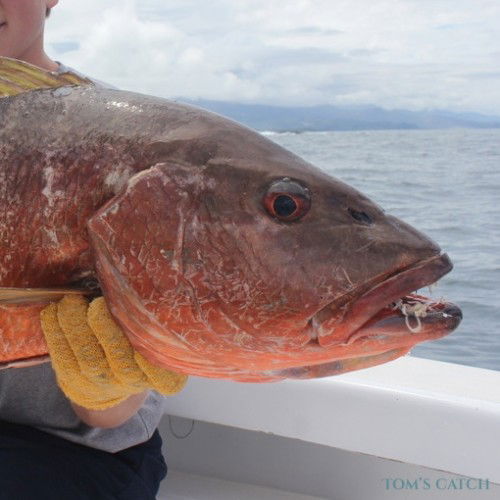
The cubera snapper (Lutjanus cyanopterus) is a highly sought-after game fish that inhabits Atlantic coastal waters from Florida, the Gulf of Mexico and the Caribbean. This species can reach a length of 160 cm and weigh up to 50 kg. Not to be confused with the Pacific Cubera Snapper also called black snapper.
MORE INFO >Cubera Snapper
-
![]()
The dentex (Dentex dentex) is a saltwater species common in the Mediterranean, Black Sea and also occurs in the Canary Islands, Morocco and Senegal. It gets its name from its pronounced teeth with which it catches mollusks, squid, cuttlefish and fish. The dentex is caught trolling and jigging. It can reach a length of more than 1 meter and weigh up to 15 kg.
MORE INFO >Dentex
-
![]()
The dogfish (Galeorhinus galeus) is a shark distributed in temperate waters of all oceans. It can reach 2 meters in length and weigh about 45 kg. This species is endangered.
MORE INFO >Dogfish
-
![]()
The dogtooth tuna (Gymnosarda unicolor) is undoubtedly the star of jigging. It is one of the most popular species for fishing enthusiasts because it is a fighting machine. When you board one of these predators, apart from the backache, you will have an unforgettable experience. They can measure up to 2.5m and weigh up to 130kg.
MORE INFO >Dogtooth tuna
-
![]()
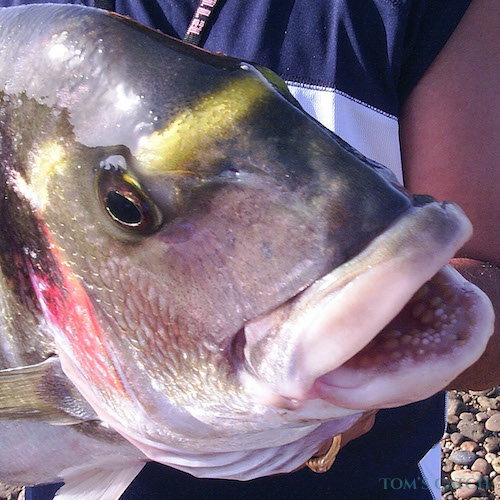
Sea bream(Sparus aurata) is a common species in the Mediterranean and Atlantic Ocean between the British Isles and Cape Verde. Very present in Mediterranean cuisine, it owes its name to the yellow spot between its eyes. The largest specimens can reach up to 1 m in length and can weigh up to 7 kg.
MORE INFO >Dorada
-
![]()
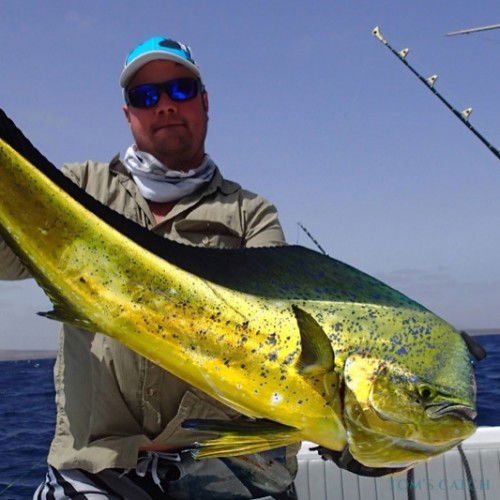
Also known as llampuga(Coryphaena hippurus), the dorado has its very peculiar shape with its flattened head, a long dorsal fin and its vivid colors ranging from dark blue and green on the top and yellow on the sides.
MORE INFO >Dorado
-
![]()
The Flathead is a member of the Platycephalidae family. It is a common species in Australia, popular with fishing enthusiasts and is a very good eating fish.
MORE INFO >Flathead
-
![]()
Flounder is a flatfish and several species are distinguished. They camouflage themselves by lying on the bottom of the ocean to ambush prey and also as protection against predators.
The flounder is a very good eater and can grow up to 60 centimeters (20 inches).
MORE INFO >Flounder
-
![]()
The GT or Giant Trevally(Caranx ignobilis) is found in tropical waters of the Indian and Pacific Oceans from the Red Sea and East African coasts to Hawaii, the Marquesas Islands, southern Japan and northern Australia. It is a popping lover's dream.
MORE INFO >Giant Trevally
-
![]()
Grouper is the common name for different species of fish from the Epinephelinae family. By the way, sea bass also belong to this family. The preferred territory of the grouper is rocky areas, wrecks and reefs where it can hide.
MORE INFO >Grouper
-
![]()
The haddock (Melanogrammus aeglefinus) is a species found in the Bay of Biscay, North Sea, Baltic Sea, Iceland, south coast of Greenland and the northeast coast of the U.S. The haddock can grow up to 1 meter long and weigh up to 14 kg.
MORE INFO >Haddock
-
![]()
The horse mackerel (Trachurus trachurus) is a common species in the eastern Atlantic Ocean from Norway to South Africa and as far as Mozambique in the western Indian Ocean. Normally they have a size of about 20 - 30 cm, but the largest specimens can reach 70cm and weigh between 2-3kg.
MORE INFO >Horse mackerel
-
![]()
The imperial marlin (Tetrapturus) is a generic name for several subspecies. This billfish inhabits the tropical and subtropical waters of the Atlantic, Pacific, Indian and Mediterranean Oceans. They can reach almost 2 meters in length.
MORE INFO >Imperial marlin
-
![]()
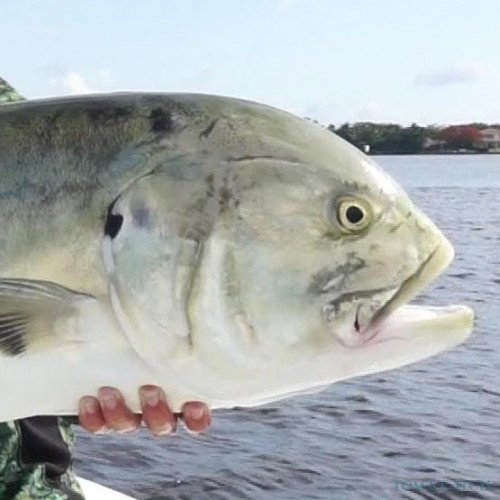
The Jack Crevalle (Caranx hippos) is a very popular species in sport fishing. It belongs to the Carangidae species. Jack mackerel, amberjack and giant travally also belong to this family. The jack crevalle can grow up to a length of 120 cm and a weight of 30 kg.
MORE INFO >Jack Crevalle or Jack Crevalle
-
![]()
The Johns snapper (Lutjanus johnii), in Australia known as the Fingermark, is a species of snapper from the Pacific and Indian Oceans. They can weigh up to 8kg. It is a very good fish to eat.
MORE INFO >Johns snapper
-
![]()
The king mackerel (Scomberomorus cavalla) or kingfish is a common species in the western Atlantic Ocean and Gulf of Mexico. It can weigh up to 40kg and has very sharp teeth.
MORE INFO >King mackerel
-
![]()
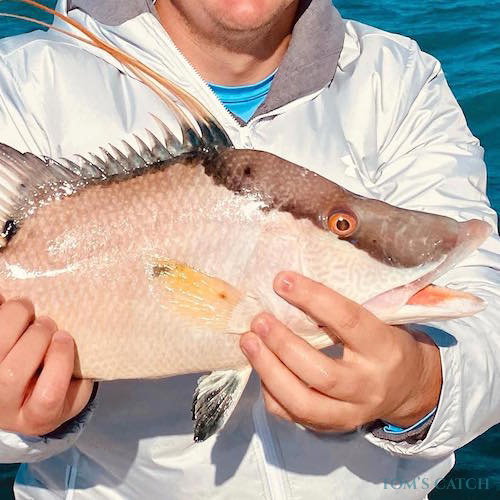
The dogfish (Lachnolaimus maximus) is a species found in the western Atlantic, from Canada to the Gulf of Mexico. They feed primarily on crustaceans on reefs. The feather damselfish can reach 91cm in length and weigh up to 11kg.
MORE INFO >Lachnolaimus maximus
-
![]()
Ling (Molva molva) is a North Atlantic species and is the largest of the gadiformes (cod). It is a popular catch in the Bay of Biscay, French Atlantic, British Isles, North Sea and Scandinavian coasts. The ling can reach 2 meters in length and weigh more than 40 kg.
MORE INFO >Ling
-
![]()
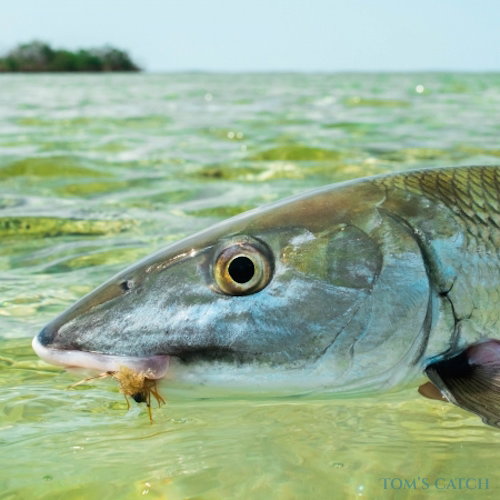
Known for its racing, the bonefish(Albula vulpes) is a favorite fly-fishing species. They inhabit tropical coastal waters in Florida, Bahamas, Puerto Rico, the Mayan Riviera in Mexico, Belize, Venezuela and the Seychelles, among others. The bonefish can weigh up to 8kg and measure 1 meter.
MORE INFO >Macabijo or Bonefish
-
![]()
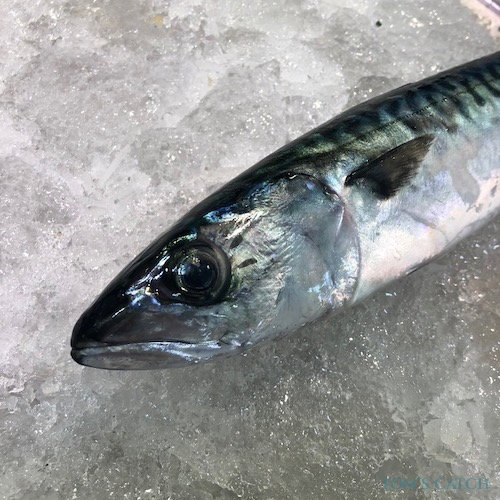
Mackerel (Scomber scombrus) have a blue-green upper back with irregular black stripes. They are very common in the Mediterranean, Black Sea and North Atlantic. Mackerel usually measure between 25cm and 35cm.
MORE INFO >Mackerel
-
![]()
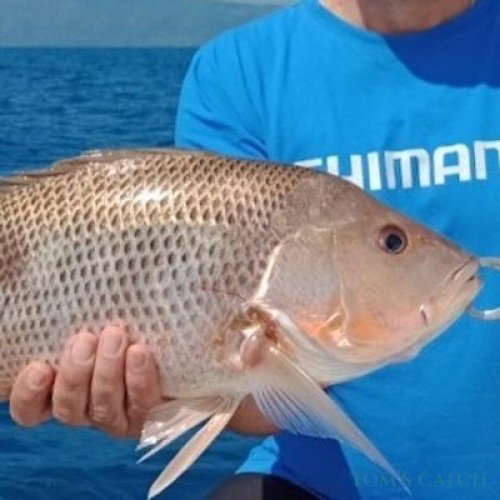
The mangrove snapper or yellowtail snapper (Lutjanus argentimaculatus), also known as mangrove jack in Australia, belongs to the snapper family. It lives in the Indian Ocean and western Pacific Ocean from the African coast to Samoa and from Japan in the north to Australia in the south. It can weigh up to 9kg and measure 1.5m.
MORE INFO >Mangrove snapper
-
![]()
The frigate tuna (Auxis thazard) is a small tuna that inhabits the tropical and subtropical waters of the oceans and the Mediterranean Sea. They are mostly caught by trolling with lures and feathers. The frigate tuna can weigh up to 2 kg and measure up to 50 cm in length.
MORE INFO >Melva
-
![]()
Mud crab
MORE INFO >Mud crab
-
![]()
Nannygai is a species of snapper. In Australia there are several species called Nannygai.
MORE INFO >Nannygai
-
![]()
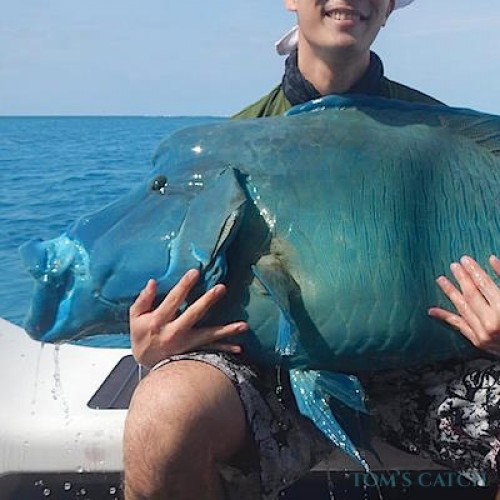
Humphead wrasse(Cheilinus undulatus) are found in the Red Sea, East Africa, the Indian Ocean and the Pacific Ocean. They live around coral reefs where they feed on crustaceans, mollusks and fish. The largest humphead wrasse can reach 2 meters and weigh up to 180kg!
MORE INFO >Napoleon wrasse
-
![]()
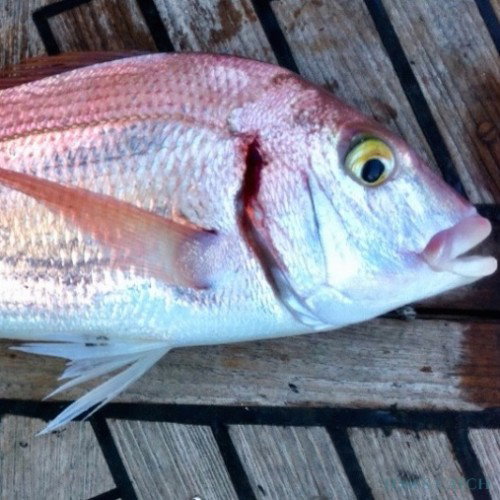
The bream (Pagellus erythrinus) also known as pagel is a common species in the Mediterranean. It is also present on the eastern Atlantic coasts starting from Cape Verda to Scandinavia. The breca can reach a length of about 50 cm.
MORE INFO >Pagel or Breca
-
![]()
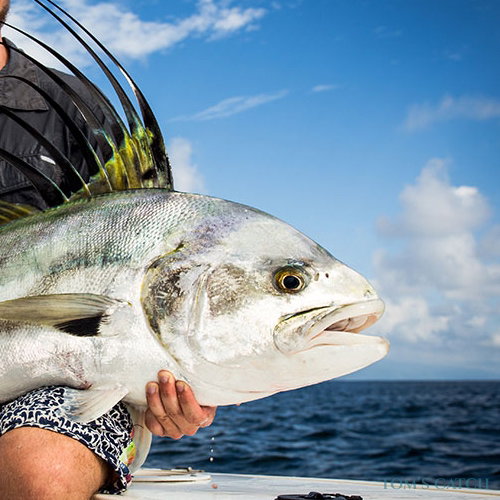
The parrotfish(Nematistius pectoralis), also known as the roosterfish, is immediately recognizable by its distinctive dorsal fin. Its famous roosterfish crest and striking colors make this species one of the most desirable for fishing enthusiasts. It can weigh more than 30 kg.
MORE INFO >Papagallo
-
![]()
Perch (Perca fluviatilis) is a common predatory fish. It is widespread in Europe and northern Asia. Perch can grow up to 60 cm and reach a weight of 3 kg. They are usually fished by spinning with rubber lures, etc.
MORE INFO >Perch
-
![]()
The permit(Trachinotus falcatus), also called permit, is - along with tarpon and bonefish - one of the most sought-after species by fly-fishing enthusiasts. This species is distributed in shallow waters of the Atlantic Ocean, from Florida to Brazil. They can grow up to 1.2 meters long and weigh up to 27 kg.
MORE INFO >Permit
-
![]()
The pike (Esox) is a freshwater fish, common in the rivers, canals and lakes of the northern hemisphere. There are several subspecies in Canada, the United States, Europe and Asia. They can measure up to 1.5m and weigh more than 25kg. Fishing is trolling, spinning and fly fishing.
MORE INFO >Pike
-
![]()
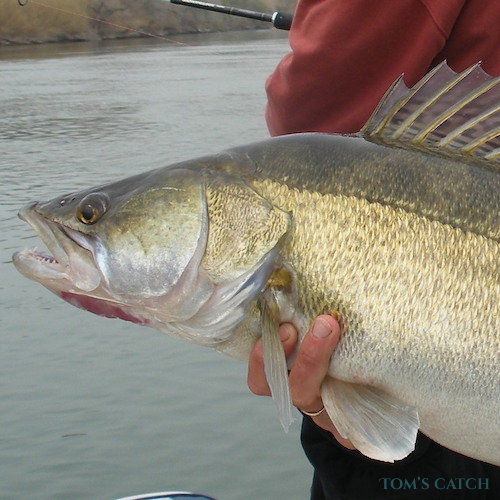
Sander pikeperch (Sander lucioperca) is a popular sport fishing species in Europe and western Asia. It is found in freshwater from Finland to Spain and from the British Isles to Kazakhstan. The best techniques for catching pikeperch are spinning, live bait or dead bait. Pike perch can grow to over a meter in length and weigh over 15kg.
MORE INFO >Pikeperch
-
![]()
Pollack ( Pollachius pollachius) is a North Atlantic species. It is a popular catch in the Bay of Biscay, French Atlantic, British Isles, North Sea and Scandinavian coasts. Pollack can grow up to 1 meter long and weigh more than 20kg.
MORE INFO >Pollock
-
![]()
The species protonibea diacanthus is found off the Gulf of Oman, India, Sri Lanka, Japan, New Guinea and northern Australia. This fish can weigh up to 45 kg. In English it is called black jewfish or also blackspotted croaker.
MORE INFO >Protonibea diacanthus
-
![]()
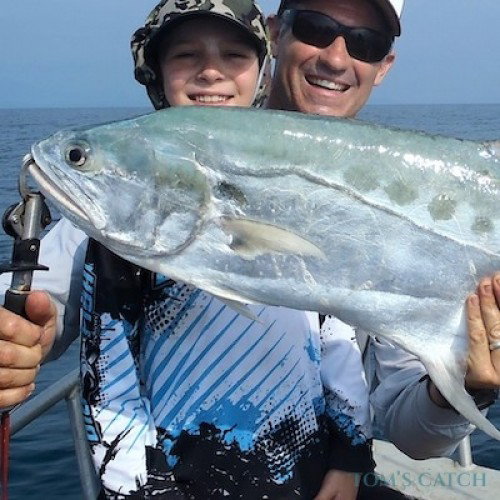
Talang Queenfish (Scomberoides commersonnianus) is a Pacific fish that is very bright and often moves in schools. They sometimes fight so hard that they die from exhaustion before being returned to the water. They also have sharp spines that can cause injury if not handled carefully. Talang Queenfish grow to around 15 kilos, but it is more common to find them around half that size.
MORE INFO >Queenfish
-
![]()
The rainbow trout(Oncorhynchus mykiss) is a freshwater salmonid fish. It has a saltwater variant - steelhead - that is very popular in the North Pacific. River rainbow trout can weigh up to 2.5 kg, while lake trout or steelhead can weigh up to 10 kg.
MORE INFO >Rainbow trout
-
![]()
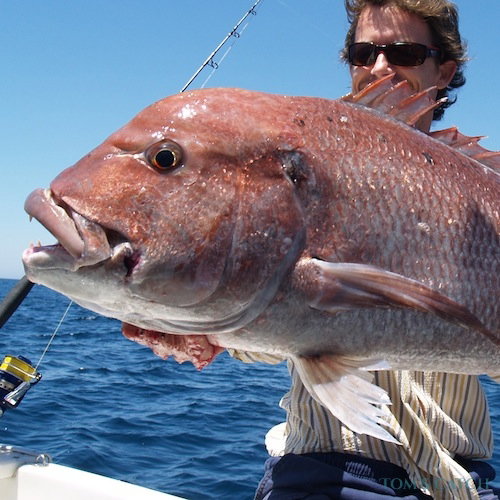
The red snapper (Lutjanus campechanus) is a popular species caught bottom fishing on reefs and around wrecks in the Atlantic off Florida, the Gulf of Mexico, and also in the Caribbean. It can reach up to 1 meter in length and weigh up to 20 kg.
MORE INFO >Red Snapper
-
![]()
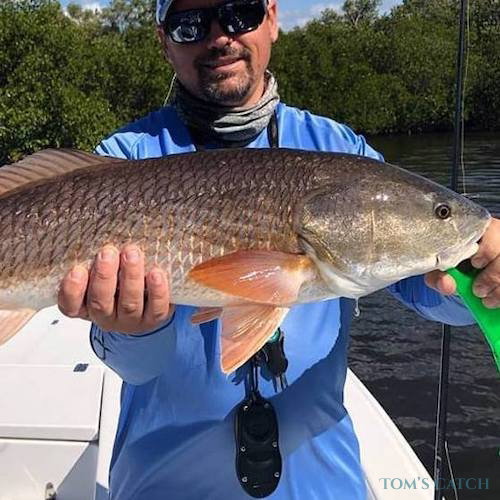
The red drum ( Sciaenops ocellatus) is one of the most popular species for sport fishing in the USA and Mexico. It is found in western Atlantic waters Starting from Timaulipas in Mexico to Virginia in the USA. It can reach 150 cm in length and weigh up to 45 kg.
MORE INFO >Red drum
-
![]()
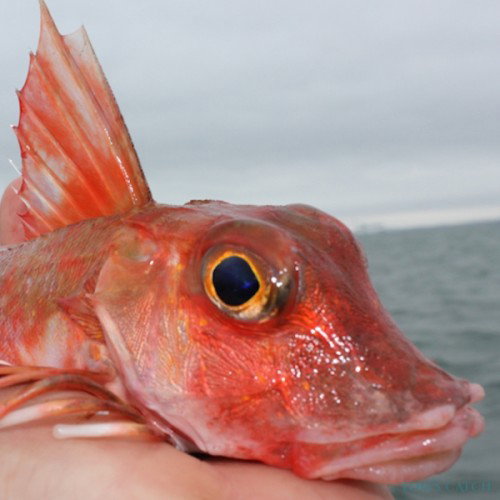
Cowries and blondes are in the family Triglidae. They have pectoral fins that look like wings. They can be caught by lowering all kinds of natural or artificial baits to the bottom of the sea. There are several species that vary in shape, size and color, but usually do not exceed 40 cm in length.
MORE INFO >Rubio
-
![]()
The ruby snapper (Etelis carbunculus) is a deep-water Indo-Pacific species with a long, slender body, large eyes, and vibrant reddish-pink coloration. It is found at 90-400 m depth on rocky reefs and is a powerful predatory fish.
MORE INFO >Ruby Snapper
-
![]()
The sailfish (Istiophorus) is one of the most desired species in the sport fishing world. Often described as the fastest fish in the sea, the sailfish can weigh up to 90 kg and measure 3 meters in length.
MORE INFO >Sailfish
-
![]()
Salmon is a generic name for several species in the Salmonidae family. In fact, there is one species native to the Atlantic Ocean (Atlantic salmon) and eight species of salmon inhabit Pacific waters (e.g., chum, chinook, and king salmon).
MORE INFO >Salmon
-
![]()
The sama (Dentex gibbosus) is a saltwater species distributed from Angola to Portugal, the Canary Islands and the warmer areas of the Mediterranean (southern Spain, Strait of Gibraltar, Morocco, southern Italy, Tunisia and Algeria). The largest specimens reach up to 1.2m and can weigh up to 18kg.
MORE INFO >Sama
-
![]()
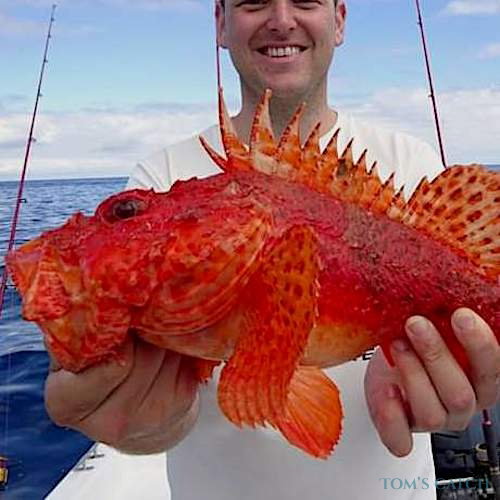
The scorpionfish ( Scorpaena scrofa) lives on the seafloor in sandy and rocky areas from 20 to 180 meters deep. It can be fished in the eastern Atlantic Ocean from the British Isles to Senegal, the Canary Islands and Cape Verde. This species can reach a length of about 50 cm with a maximum weight of about 3 kg. The scorpionfish feeds on small fish, crustaceans and mollusks.
MORE INFO >Scorpionfish
-
![]()
Largemouth Bass (Dicentrarchus labrax) is for many Anglers a trophy, not only because of the good fight it offers, but also because it is a very good fish. This species is found in the eastern Atlantic from Norway to Senegal, the Mediterranean and the Black Sea. They can grow up to 1 meter long and weigh up to 12 kg.
MORE INFO >Sea bass
-
![]()
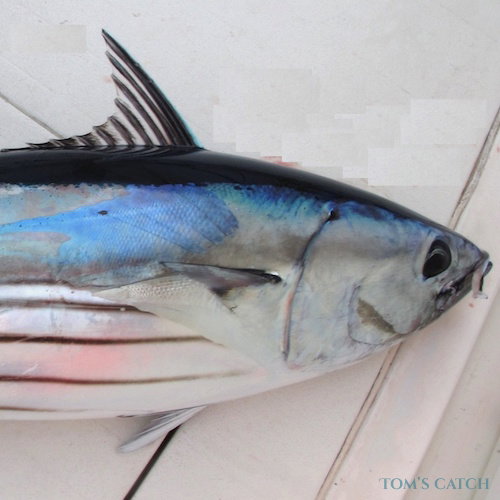
Skipjack tuna (Katsuwonus pelamis) have a strong body with black stripes on the sides. Larger specimens can reach 1 m and weigh up to 10 kg. Fishing is mainly trolling with artificial lures in temperate and tropical waters.
MORE INFO >Skipjack or Bonito
-
![]()
The common snook(Centropomus undecimalis) or white bass is a common fish of the western Atlantic. It lives in shallow waters of mouths, bays and inland waters. It is found from North Carolina to Brazil. Snook can measure up to 1.4 meters and weigh more than 20 kg.
MORE INFO >Snook
-
![]()
The sooty grunter (Hephaestus fuliginosus) is a freshwater species from northern Australia. This fish inhabits the rivers of Queensland and Norhtern Territory, where they feed on plants, roots, crustaceans and small fish. They can grow up to 54 centimeters long and weigh more than 6 kg.
MORE INFO >Sooty Grunter
-
![]()
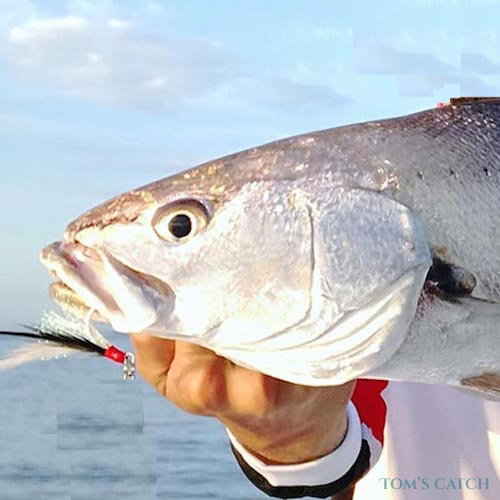
Pintail or sea trout (Cynoscion nebulosus) is a species of croaker common in the southeastern United States. They can grow up to 8 kg and measure up to one meter in length.
MORE INFO >Speckled Trout
-
![]()
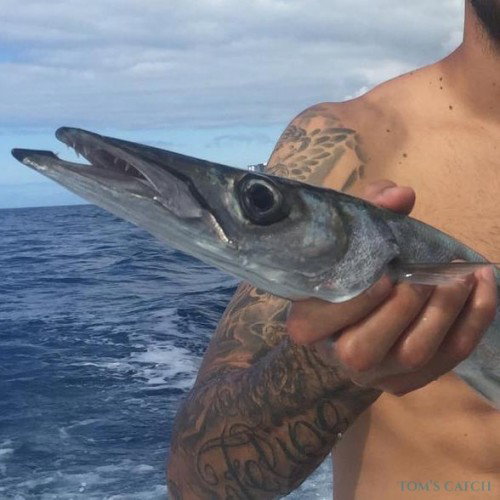
The Spiny Dogfish (Sphyraena sphyraena) is also known as the Barracuda. In the Canary Islands it is called Bicua or Bicuda. This predator is common in the coastal waters of the Mediterranean and the Atlantic Ocean. It can reach 1,65m and weigh up to 3,6kg.
MORE INFO >Spelunker
-
![]()
Striped bass (Morone Saxatilis) are a popular fish found in the Atlantic waters of Maryland, Rhode Island, South Carolina, New York, New York, New Jersey, Virginia, and New Hampshire (eastern North America). They have a silvery body with dark stripes running from the gills to the tail. Striped bass weigh between 9 and 20 kg, with an average length of 50 to 90 cm.
MORE INFO >Striped Bass
-
![]()
The striped marlin(Kajikia audax) is the smaller brother of the blue marlin and is characterized by light blue vertical stripes. It can weigh up to 180kg and measure more than 4 meters. Highly sought after for sport fishing, it inhabits the temperate and tropical waters of the Pacific and Indian Oceans.
MORE INFO >Striped marlin
-
![]()
Sturgeon is a common name for 27 species belonging to the sturgeon family. They are prehistoric fish of which fossils have been found more than 200 million years old. These living dinosaurs can reach a length of 4.5 meters and weigh more than 800 kg.
MORE INFO >Sturgeon
-
![]()
The swordfish (Xiphias gladius) is probably the most desired species in the world. It lives in tropical and subtropical waters of the Atlantic, Pacific and Indian Oceans, and also in the Mediterranean Sea. Swordfish can be more than 3 meters long and weigh more than 600 kg.
MORE INFO >Swordfish
-
![]()
Tarpon ( Megalops atlanticus) are silvery hunters that love to hunt fish and crustaceans in lagoons, rivers, harbors, and other shallow waters. They live in coastal waters of the Atlantic Ocean from Florida to Argentina and from Senegal to Angola. The tarpon can reach up to 2.5 meters in length and catch more than 150 kg.
MORE INFO >Tarpon
-
![]()
This fish belongs to the family Balistidae. There are about 40 species of triggerfish.
MORE INFO >Triggerfish
-
![]()
The common bream ( Pagrus auriga) is from the same family as the sea bream, snapper, bream and dentex: the Sparidae. It is found in the eastern Atlantic Ocean and southwestern Mediterranean. Seafood and cephalopods are its main food. Urta can grow up to 1 meter long and weigh up to 12 kg.
MORE INFO >Urta or sama roquera
-
![]()
The wahoo(Acanthocybium solandri) or wahoo, also called Ono in Hawaii (translated means "delicious"). It is a species very appreciated by Anglers for its delicious meat, but also for its impressive strength and speed.
MORE INFO >Wahoo
-
![]()
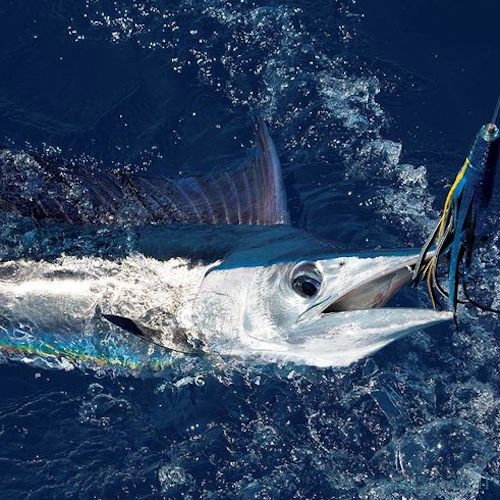
The white marlin(Kajikia albida) is a beautiful fish that can be caught offshore in temperate and tropical waters. This fantastic electric blue fighter feeds mainly on fish, octopus and squid. It is usually caught trolling offshore, using artificial lures or natural bait (bonito, mackerel...).
MORE INFO >White Marlin
-
![]()
The whiting (Merlangius merlangus merlangus) is a small species of the cod family. It lives in the eastern Atlantic Ocean and also the Mediterranean Sea, North Sea and eastern British coast. Although record whiting catches of up to 70 cm have been recorded, those caught are typically around 25 cm.
MORE INFO >Whiting
-
![]()
Yellowfin tuna(Thunnus albacares) is a species of tuna found in tropical and subtropical oceans. It is smaller than bluefin and bigeye tuna. It is immediately recognizable by its long, bright yellow dorsal and anal fins.
MORE INFO >Yellowfin tuna
-
![]()
The yellowtail kingfish (Seriola lalandi) is a type of amberjack found in the southern hemisphere. They can grow up to 180 cm. Yellowtail kingfish can be fished from New Zealand, Australia to Chile.
MORE INFO >Yellowtail Kingfish
-
![]()
Dab ( Limanda limanda) is a species of flatfish, to which flounder, megrim and sole belong. It inhabits the sandy seabeds of the North Sea, the western Baltic Sea, the Bay of Biscay and the waters of Iceland. The normal catch is fish of about 20 cm, but there are dab that reach 40 cm in length with a weight of about one kilogram. Dab is a very good eating fish.
MORE INFO >Yellowtail flounder
-
![]()
The leerfish(Lichia amia) is a very popular species among fishing enthusiasts because of its aggressiveness, strength and speed. Distributed in the Mediterranean and Starting from the coastal waters of West Africa to South Africa. They can measure more than one and a half meters and weigh more than 25kg.
MORE INFO >leerfish