Fishing charter availability in Azores
Fishing charter availability search
Nell Magic
Horta, Faial, Faial
Find the best prices for excursions in Azores. We select Fishing Boats with the most competitive Prices for you to enjoy your maritime adventure at the best cost.
North Shore Sea Tours
Porto Formoso S. Miguel Açores, Azores
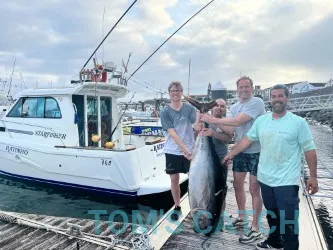
Discover the best Fishing Boats in Azores, selected according to user ratings. Find ideal options for your next Fishing adventure in this beautiful maritime destination.
Fishing for Marlin and Tuna in Portugal
Ponta Delgada, Azores
Inshore Fishing (bottom, bottom trolling or jigging)
Ponta Delgada, Azores
Half Day Shared Charter
Porto Formoso S. Miguel Açores, Azores
Full day shared charter
Porto Formoso S. Miguel Açores, Azores
Half-day private charters
Porto Formoso S. Miguel Açores, Azores
Deep-sea Fishing (Half day, afternoon)
Ponta Delgada, Azores
Fishing and jigging in fish-rich islands.
Vila Franca Do Campo, São Miguel
Fishing and jigging in fish-rich islands.
Vila Franca Do Campo, São Miguel
Inshore Fishing (Half day)
Vila Franca Do Campo, São Miguel
A chain of nine beautiful volcanic islands in the Atlantic Ocean form the Azores archipelago. These islands are divided into three groups according to their geological positioning into the Eastern Group, the Western Group and the Central Group. These Portuguese islands are breathtakingly beautiful and are set in the calm blue waters of the Atlantic Ocean. With beautiful white sandy beaches and harmonious blue water all around them these islands are a kind of paradise on earth. Beautiful landscapes, volcanic lagoons, hot springs Fishing in Azores are replete with some of the best sights of nature. Here you will enjoy the sights of whales and dolphins in the sea, enjoy a great time in Fishing in the Atlantic Ocean.
You will find some of the best big game Species such as Bluefin Tuna, Mahi Mahi and even Sharks if you are one of those dangerously adventurous Anglers. Fishing in Azores is a divers paradise with unique underwater rock formations, graveyard anchorage and a great variety of marine life.
Fishing in Azores has an old world charm hard to find elsewhere in the world. Today travel to the Azores is easy: there are several intercontinental flights connecting the islands with the rest of the world throughout the year. The islands are easily accessible as they are quite close to each other, with an average distance of 6 km from adjacent islands. There are local airlines connecting all the islands although ferry services can also be used. Travel within an island can be done by cabs, buses and rental cars.
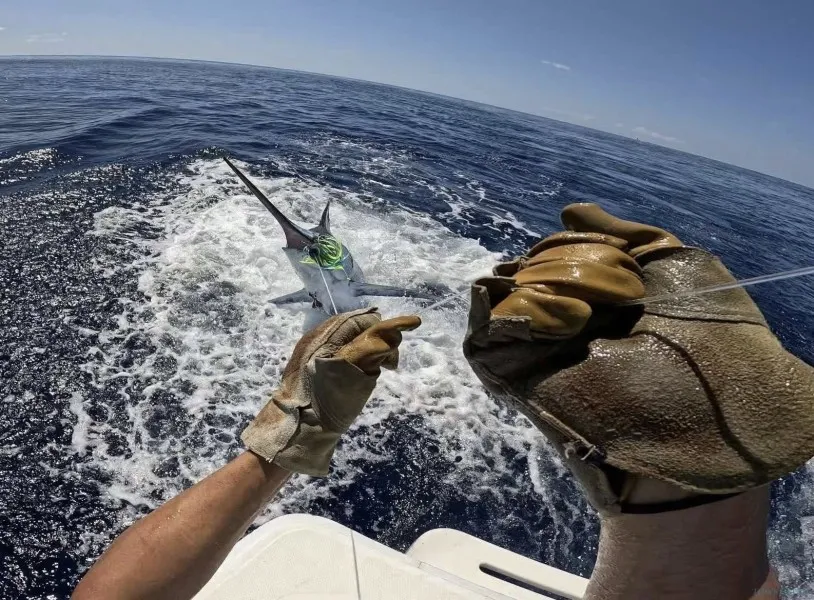
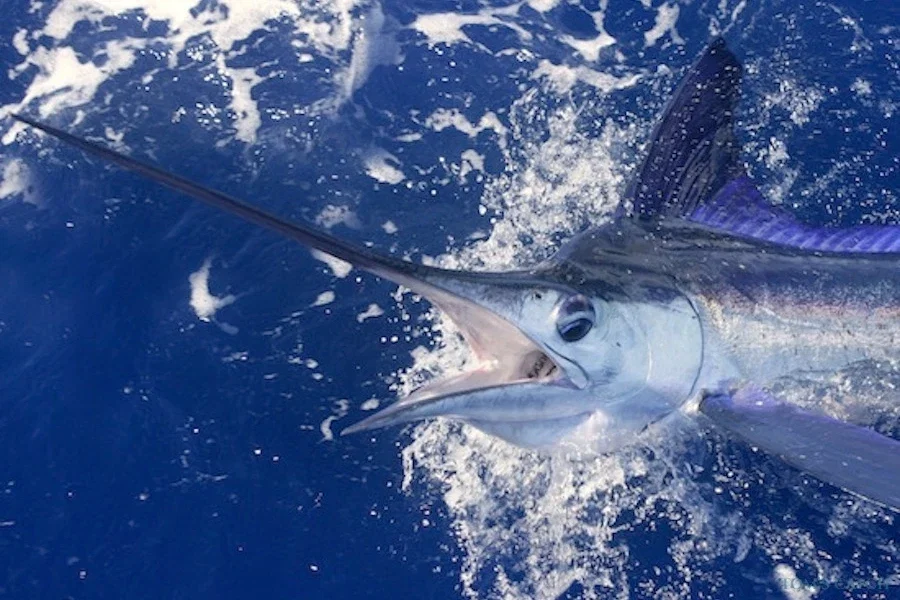
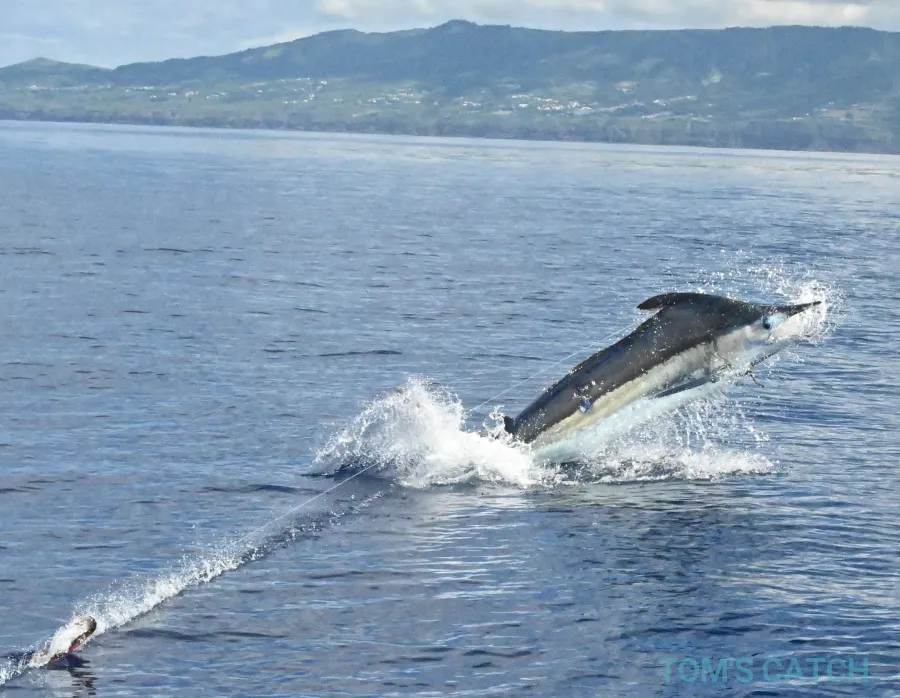
The Blue Marlin is one of the most respected and celebrated species worldwide, for its size, power and fight. The Blue Marlin puts up a tough fight and does not give up easily. The average size of a Blue Marlin is 3.4 meters and can grow to a size of 4.3 meters. These fish are huge and have immense strength. During the fight they jump out of the water. The excitement and action that comes with fishing in the Azores for this species attracts Anglers from all over the world who want to achieve the challenge of catching a Blue Marlin. It is considered a great feat to land a Marlin, even the famous Robson Green calls the Blue Marlin the Holy Grail of Azorean fishing.
In July (when the water temperature reaches 22°C), the Blue Marlin arrives from the south to feed during the summer on the abundant schools of Sardine, Anchovy, Mackerel and Horse Mackerel. The Azores are famous for their huge blue marlin. There may not be as many as in Cape Verde, but the average weight is much higher, around 230 kg. The largest specimen caught in these waters to date weighed almost 600 kg.
The technique for Marlin fishing in the Azores is trolling with artificial lures on the surface. Skippers try to look for waters with temperature changes as this is usually the preferred place for this predator.
The Bluefin Tuna (Thunnus Thynnus) or also known as Bluefin Tuna or Cimarron, is a fish of the Scombridae family. It is a species that can weigh up to 600 kilograms, which makes it one of the most prized species by Anglers.
The Bluefin Tuna appears in winter when the water temperature is around 16 ºC. It is difficult to detect their presence since they spend most of their time hunting at great depths. Starting from a few years ago the presence of Bluefin Tuna has increased and real monsters weighing more than 500 kg have been caught.
Bigeye tuna, or as it is also called Thunnus obesus, is a species widely distributed in tropical and subtropical waters of the Atlantic, Indian and Pacific oceans, which is why it is so common to find it in areas near the Azores. It tolerates wide temperature ranges (between 5° and 29°) and is one of the largest tuna species, reaching a total length of 250 cm. Bigeye tuna is very important for the local economy as it is the raw material for the canning industry. It usually weighs between 50 and 80 kg, but some individuals can weigh more than 130 kg. Other tunas such as Albacore and Skipjack are also common in the Azores. The beautiful yellowfin tuna visits the islands when the waters are very warm, i.e. in August.
The grouper belongs to the subfamily Epinephelinae. Its strong body is characterized by large eyes and a prominent jaw. It usually lives in the rockiest areas. The largest we can find are 1 meter long and can weigh more than 40 kilograms. This species is characterized by its brown color with white spots, but we must take into account that variations may occur depending on the situation in which it is found (depending on the luminosity).
This fish is perfectly adapted to the seabed fishing in the Azores, that is why the technique to fish it will be trolling from the bottom or anchored with natural bait. There is no better time for fishing in the Azores for Grouper since it can be fished all year round if the weather allows it. It can be fished drifting or trolling with live bait, but you can also catch some good jigging fish.
The Amberjack Dumerili, or also known by other names such as Lemon Fish, Medregal Coronado, Coronado de Ley or Lecha, is a perciform fish of the Carangidae family. As for its physical characteristics, its body is long and flat with small eyes and a large and wide jaw.
Its color is bluish on the back and white on the belly (although many have a yellow tone). It has three fins, two dorsal and one anal, and can reach a length of 160 cm and weigh 60 kg. Like the grouper, the amberjack is a sedentary species. It can be fished with live bait by drifting or trolling. The most interesting technique to fish for amberjack is jigging with large elongated jigs.
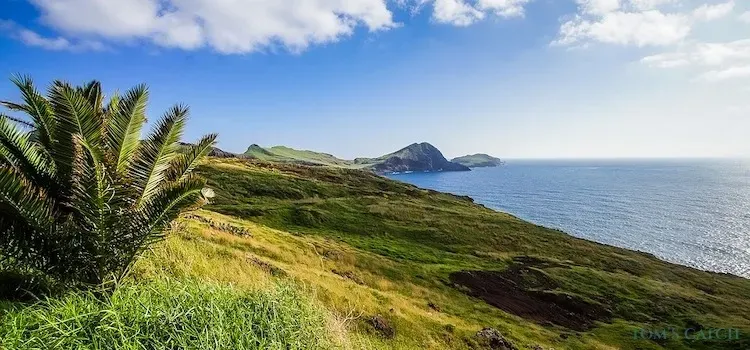
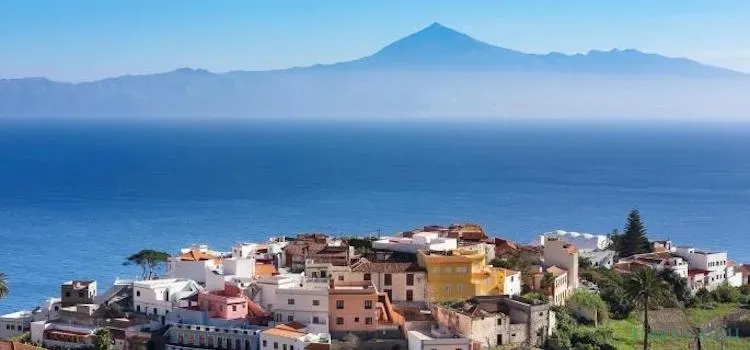
Fishing in the Azores is located about 1500 km west of the Portuguese coast, the Azores Archipelago is located in the North Atlantic Ocean. The island of Flores, which is the westernmost island of the archipelago, is separated by more than 600 km from the easternmost island: Santa Maria Island. The other islands are called Corvo, Graciosa, Terceira, São Jorge, Pico, Faial, São Miguel and the islets of Hormigas.The volcanic origin explains the irregular seabed with impressive ridges, bars, caves, islets... They are the perfect habitat for local species such as grouper, amberjack, bluefish, barracuda, horse mackerel, bonito, wahoo and other smaller species. The most popular techniques to catch these fish is surely jigging and bottom fishing. Migratory Species also feel "at home" in these waters. During the summer months the billfish and different species of tuna come to chase the abundant schools of Sardine, Mackerel and Anchovy. The Azores are famous for the huge Blue Marlins. The great advantage of these islands is the fact that in just 15 minutes of sailing one is already fishing offshore.
Many skippers however prefer to sail to their favorite areas (Condor Bank, the Azores Bank, etc) which are more than an hour away, but it is not necessary. The best time for Fishing in the Azores is the summer when high pressure settles over the Archipelago. That is when there are clear skies and the sea is calm. However, keep in mind that low pressure systems frequent the Azores bringing with them a rather unstable storm.
Fishing in the Azores has a mild and temperate climate although it is subject to certain variations during the year. Being in contact with the warm currents from the Gulf of Mexico that flow towards these islands, temperatures become temperate. The water temperature in the Fishing area in the Azores varies between 15 and 25ºC during the year with land temperatures between 11 and 25ºC. Rainfall can be expected during any time of the year and this is perhaps one of the reasons why these islands have such beautiful flora. With an average temperature ranging between 11 to 17ºC Azores usually has sunny days with rains here and there during the months of November to March. Summer however begins in April and extends until October. At this time of the year the skies are clear and bright and the air is warm. In June and August temperatures can rise as high as 26ºC.
Fishing in the Azores during autumn is ideal for trolling for different species of tuna. In autumn, as all year round, we can practice bottom fishing.
When the weather permits, in autumn and winter fishing in the Azores is ideal for bottom fishing to catch all kinds of rockfish. Jigging you can fish Amberjack, Grouper, Barracuda or Bluefish. Fishing in winter is also a good time to fish for Bluefin Tuna as they come close to the islands when the water is around 16º.
The best time for tuna fishing in the Azores are the months of May and June. There are bluefin tuna, bigeye tuna, skipjack tuna and albacore.
Summer, when the skies are clear and the sea is calm, is the best time for Fishing in the Azores for Marlin. During the months of July, August and September, Anglers come from all over the world for this mythical Pelagic fish. Marlin appear in the Atlantic waters of the Azores during the month of May. The best time for Fishing in the Azores for these legendary fish is during the months of July, August and September.
Also in August we can sometimes find some specimens of Yellowfin Tuna.
Fishing in the Azores requires a fishing license. Remember that Fishing charters usually already have a collective fishing license so you don't need to buy one if you are hiring a Boat.
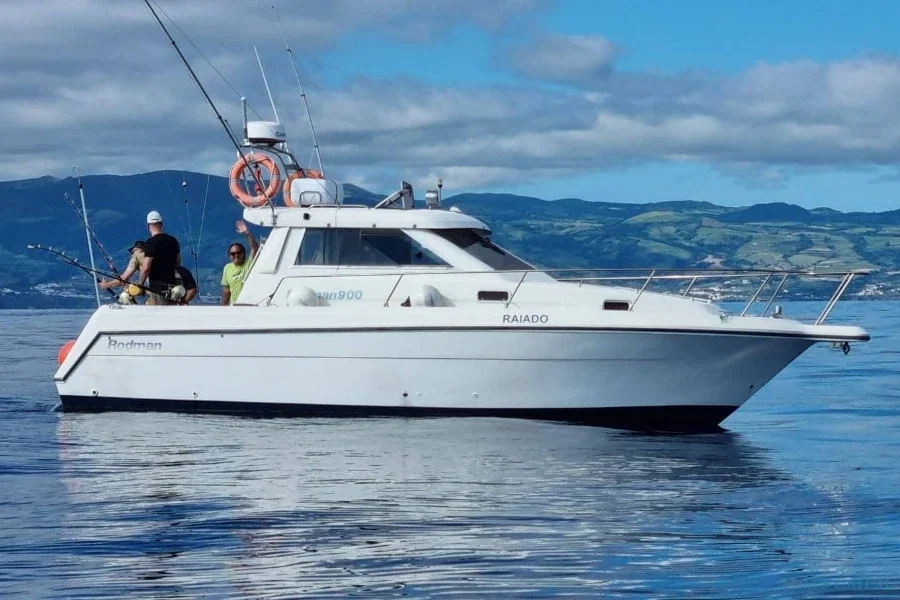
Depending on the Boat and the Duration of your Fishing trip, you will pay more or less for the trip. The Price for a 4 hours fishing trip in the Azores is 300€. An 8 hours Fishing trip will cost you between 1200€ and 1500€, depending on whether you want to do a Inshore fishing trip or a Deep Sea fishing trip.
The Price usually includes the Captain, fishing tackle, fuel, bait and lures and licenses. In each ad we indicate if drinks and food are Included.
Once the Booking is made, the Captain will contact you to arrange the meeting point and the time of departure. We also recommend that you contact the Captain a couple of days before the trip to confirm the weather forecast.
| Average capacity: 6 people |
| Popular fishing techniques: Jigging, Bottom fishing, Tuna Fishing |
| Average price: 231.8888694933 per day |
| Low season price:: US$755 per day |
| High season price: US$3628 per day |
| Includes: Fishing equipment, Fishing License, Bait & lures |
Receive exclusive offers, inspiring stories, and updates on fishing regulations.
Subscribe and receive tips and news for your next fishing trip.
“Crecí un 20% mis reservas con Tom’s Catch”
Oscar Santos,
Captain from Luna in Puerto Banús, Marbella (Spain).
Oscar Santos,
Captain from Luna in Puerto Banús, Marbella (Spain).