Trolling
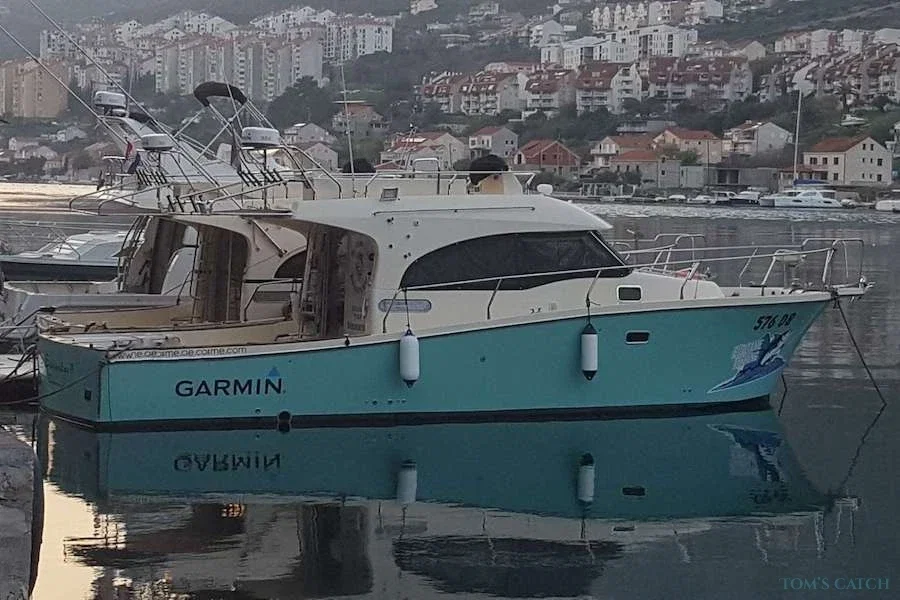
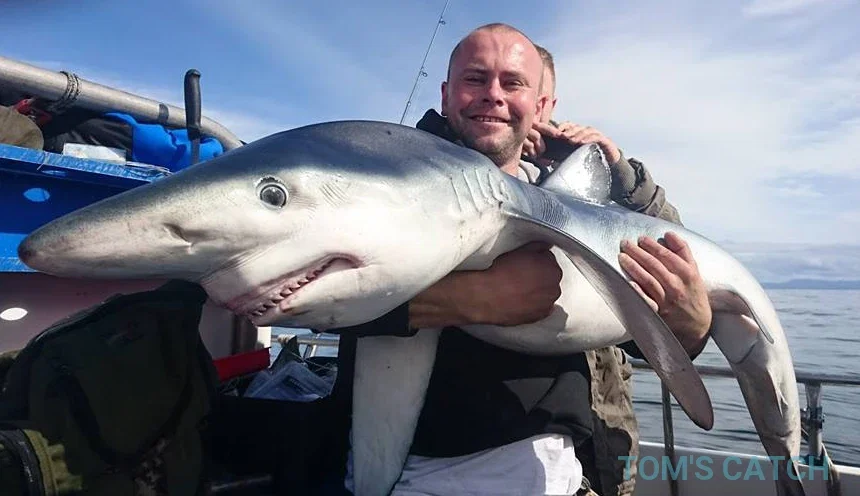
Trolling is a fishing technique in which one or more fishing gear is dragged behind the boat. Trolling is practiced both in the lake and in the sea, fishing with artificial lures or natural bait. The speed at which trolling is done depends on the species to be fished and also on the type of bait being used.
Trolling with live bait is usually done at low speeds. Fishing for tuna or marlin is usually done with artificial lures at 6 - 10 knots. Coastal Species such as dentex or sea bass prefer speeds of less than 4 knots.
Equipment needed for Trolling
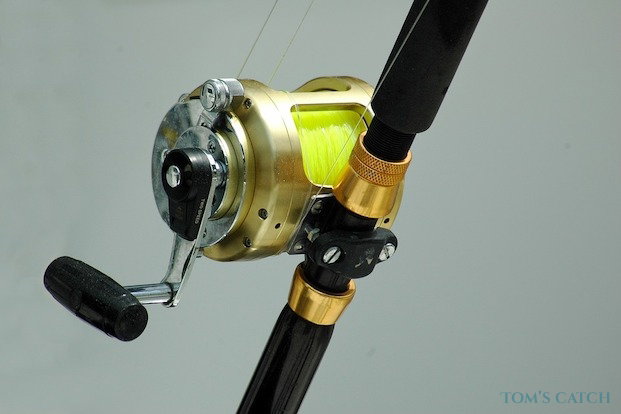
For this technique, a good quality rod and reel with a good fishing line, usually nylon, are required. Trolling is done from a moving Boat, canoe or kayak.
You can use a variety of lures of different sizes, styles and colors (spinnerbaits, soft plastics, metal or hard plastic lures) or even fresh bait to troll or troll behind the Boat.
Species caught with Trolling
Trolling allows fishing for a wide variety of species. It is probably one of the most widely used Fishing techniques in the world (especially at sea).
Species such as trout, salmon (especially using downriggers) and pike can be caught regularly in freshwater. At sea the most common species caught by trolling are tuna, marlin, sailfish, barracuda and dorado.
-
![]()
Albacore tuna (Thunnus alalunga). It has quite large eyes and differs from other tunas because it has a longer and larger pectoral fin (hence its Latin name: alalunga). The largest specimens can reach 1.40 m and weigh up to 40 kg.
MORE INFO >Albacore
-
![]()
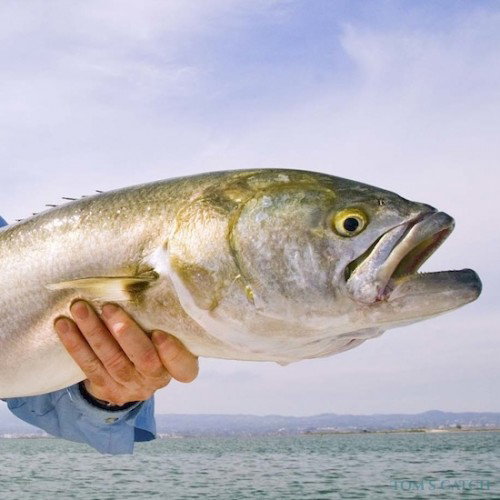
The bluefish(Pomatomus saltatrix), also known as chough or tallahams, is a very popular species among fishing enthusiasts because of its aggressiveness, strength and speed. During the fight they usually make several spectacular jumps to try to get rid of the hook. They can measure more than one meter and weigh more than 10kg.
MORE INFO >Anjova
-
![]()
The barracuda (Sphyraena barracuda) , with its torpedo-like shape, strength and famous teeth, is an elite hunter, moving along the reefs, mangroves and ridges of the tropical and subtropical oceans. They can exceed 1.5 meters long and weigh more than 45 kg.
MORE INFO >Barracuda
-
![]()
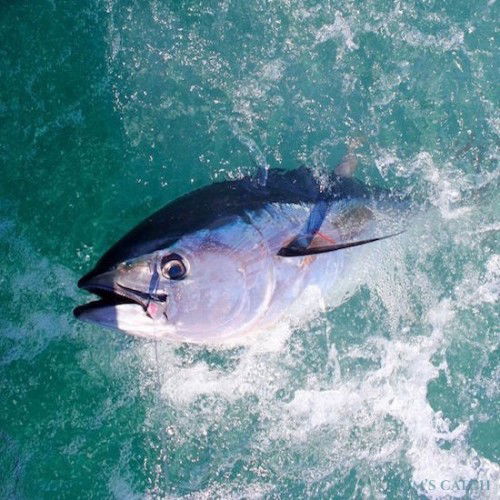
Bigeye tuna(Thunnus obesus), known in the Canary Islands as tuna, is a member of the tuna family, along with bluefin tuna, yellowfin tuna and albacore. They can exceed 2 meters and weigh up to 200 kg. This pelagic fish is fished in temperate and tropical seas (except the Mediterranean). Trolling is the best fishing technique.
MORE INFO >Bigeye tuna
-
![]()
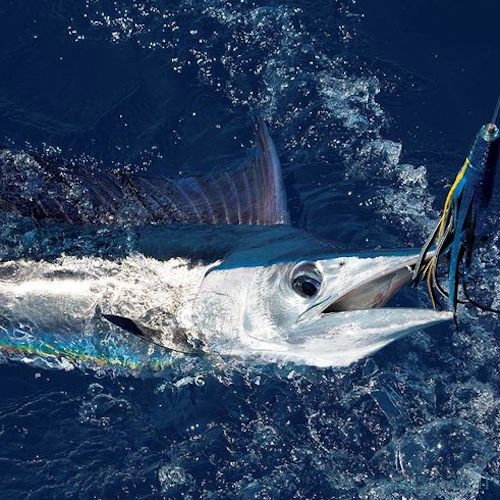
Black marlin (Istiompax indica) are slightly larger than blue marlin. They can reach a length of 4.5m and weigh more than 750kg. They belong to the family of billfishes: marlin, swordfish and imperial marlin.
MORE INFO >Black marlin
-
![]()
The Blue Marlin(Makaira nigricans) is probably the most iconic species for sport Anglers. This fantastic fighter feeds mainly on fish, octopus and squid. It is usually caught trolling offshore, using artificial lures or natural bait (bonito, mackerel...).
MORE INFO >Blue Marlin
-
![]()
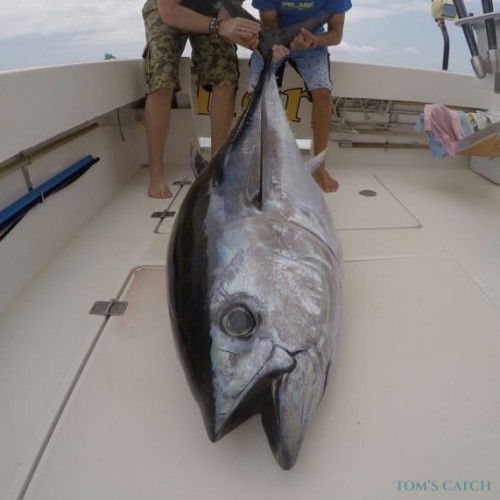
The bluefin tuna(Thunnus thynnus) is a pelagic fish that can weigh up to 500kg. The largest bluefin tuna, in fact, weighed 780kg. These large predators can be fished offshore by trolling, jigging, spinning or baiting.
MORE INFO >Bluefin Tuna
-
![]()
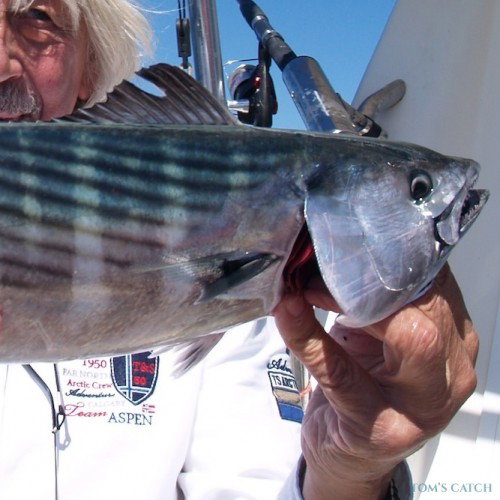
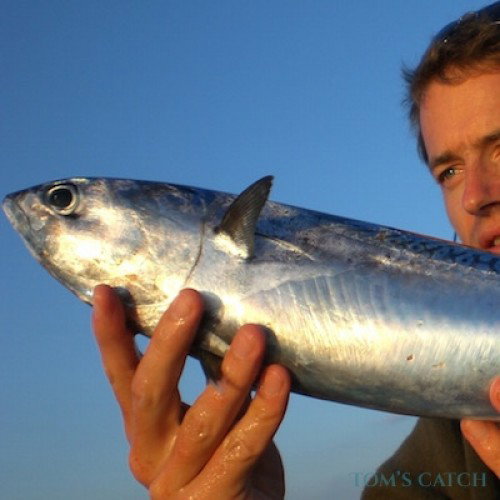
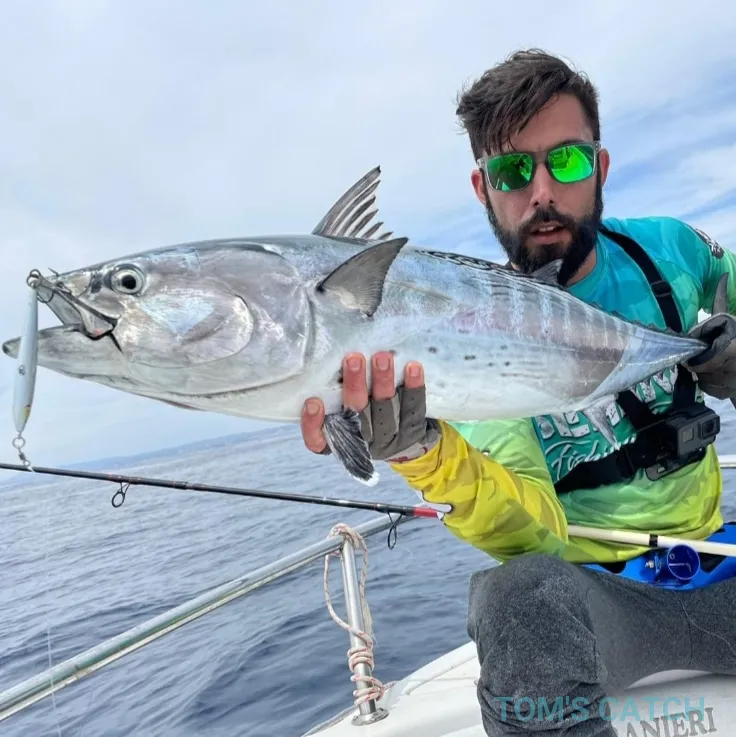
The bonito(Sarda sarda sarda), also called Sierra in the Canary Islands, is a fast tuna and a hunter of sardine, anchovy, horse mackerel and mackerel. It has a dark striped back, while its belly is silver. They can reach 80 cm in length and weigh up to 8 kg.
MORE INFO >Bonito
-
![]()
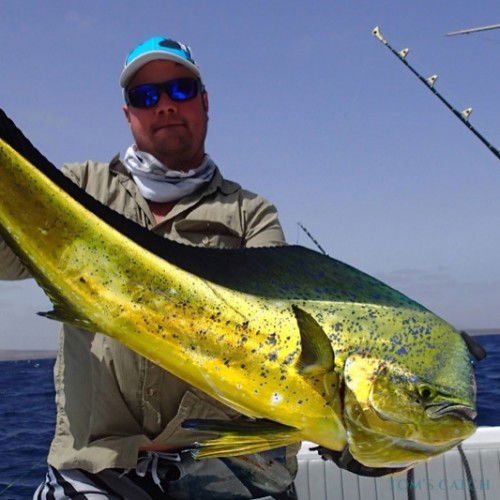
Also known as llampuga(Coryphaena hippurus), the dorado has its very peculiar shape with its flattened head, a long dorsal fin and its vivid colors ranging from dark blue and green on the top and yellow on the sides.
MORE INFO >Dorado
-
![]()
The imperial marlin (Tetrapturus) is a generic name for several subspecies. This billfish inhabits the tropical and subtropical waters of the Atlantic, Pacific, Indian and Mediterranean Oceans. They can reach almost 2 meters in length.
MORE INFO >Imperial marlin
-
![]()
The frigate tuna (Auxis thazard) is a small tuna that inhabits the tropical and subtropical waters of the oceans and the Mediterranean Sea. They are mostly caught by trolling with lures and feathers. The frigate tuna can weigh up to 2 kg and measure up to 50 cm in length.
MORE INFO >Melva
-
![]()
The pike (Esox) is a freshwater fish, common in the rivers, canals and lakes of the northern hemisphere. There are several subspecies in Canada, the United States, Europe and Asia. They can measure up to 1.5m and weigh more than 25kg. Fishing is trolling, spinning and fly fishing.
MORE INFO >Pike
-
![]()
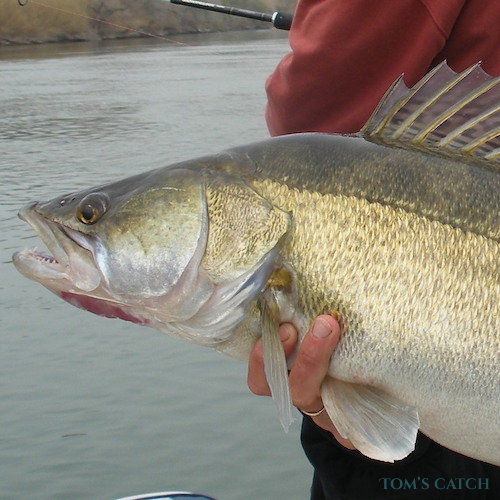
Sander pikeperch (Sander lucioperca) is a popular sport fishing species in Europe and western Asia. It is found in freshwater from Finland to Spain and from the British Isles to Kazakhstan. The best techniques for catching pikeperch are spinning, live bait or dead bait. Pike perch can grow to over a meter in length and weigh over 15kg.
MORE INFO >Pikeperch
-
![]()
The sailfish (Istiophorus) is one of the most desired species in the sport fishing world. Often described as the fastest fish in the sea, the sailfish can weigh up to 90 kg and measure 3 meters in length.
MORE INFO >Sailfish
-
![]()
Salmon is a generic name for several species in the Salmonidae family. In fact, there is one species native to the Atlantic Ocean (Atlantic salmon) and eight species of salmon inhabit Pacific waters (e.g., chum, chinook, and king salmon).
MORE INFO >Salmon
-
![]()
The striped marlin(Kajikia audax) is the smaller brother of the blue marlin and is characterized by light blue vertical stripes. It can weigh up to 180kg and measure more than 4 meters. Highly sought after for sport fishing, it inhabits the temperate and tropical waters of the Pacific and Indian Oceans.
MORE INFO >Striped marlin
-
![]()
The wahoo(Acanthocybium solandri) or wahoo, also called Ono in Hawaii (translated means "delicious"). It is a species very appreciated by Anglers for its delicious meat, but also for its impressive strength and speed.
MORE INFO >Wahoo
-
![]()
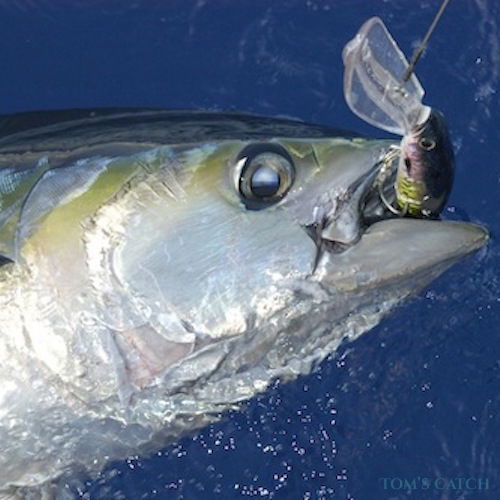
Yellowfin tuna(Thunnus albacares) is a species of tuna found in tropical and subtropical oceans. It is smaller than bluefin and bigeye tuna. It is immediately recognizable by its long, bright yellow dorsal and anal fins.
MORE INFO >Yellowfin tuna







Best places for Trolling
As this is a popular Fishing technique used worldwide, it is another style that can be used in a variety of areas around the world.
You can use the trolling method in rivers, lakes, marshes and also at sea: near shore or offshore.


The best fishing charters for Trolling



El Natilla
Algeciras, Strait of Gibraltar
 29,53 ft
7
29,53 ft
7