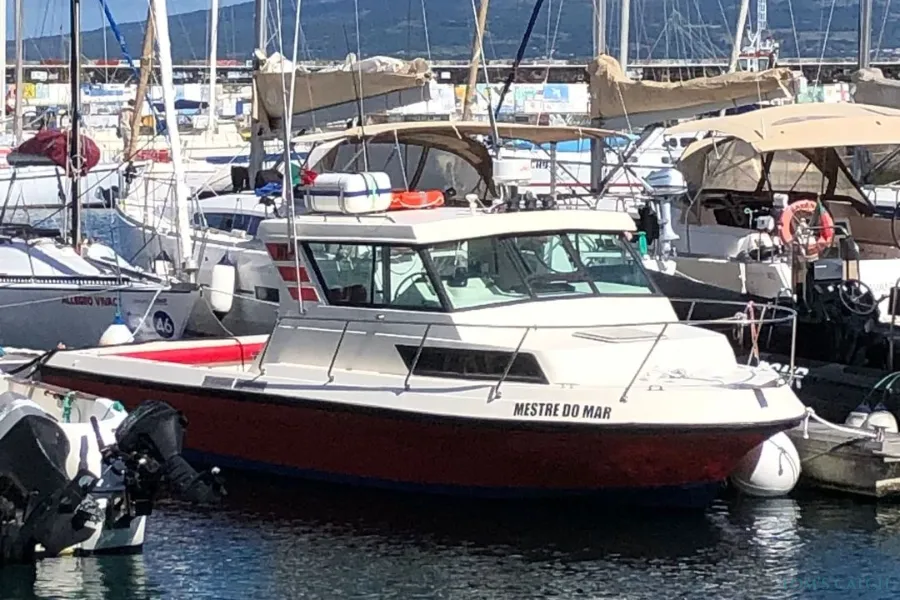
Jigging
El jigging es la técnica de pesca en la que el pescador pesca con un señuelo metálico, llamado jig, en vertical. Esto se opone a los spinnerbaits, que se mueven por el agua en horizontal. Básicamente, se deja caer un señuelo metálico a una cierta profundidad (normalmente el fondo) y luego se recoge con movimientos rítmicos y bruscos para atraer al depredador.
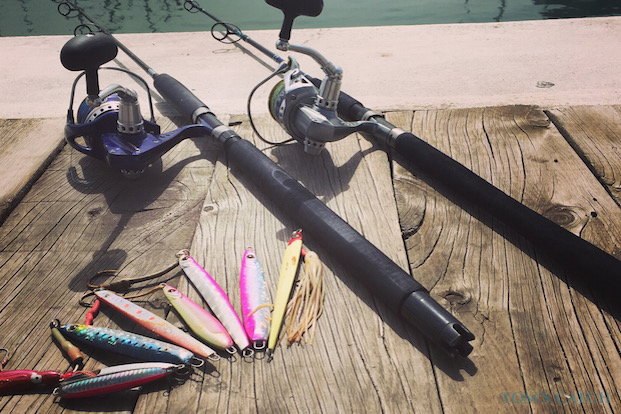
Equipo necesario para Jigging
Para el jigging puedes utilizar tanto carretes de spinning como carretes convencionales. El hilo debe ser trenzado, ya que tiene menos elasticidad. Las cañas de jigging son cortas (menos palanca y menos fatiga) y deben tener la capacidad de manejar correctamente un jig. Hay un montón de tipos diferentes de jigs, desde cucharillas largas, jigs más anchos para jigging lento, jigs con equilibrio central, inchiku, etc.
Especies objetivo cuando Jigging
Las especies objetivo son muchas, pero podemos decir que todas las especies depredadoras que se alimentan en el fondo pueden capturarse con señuelos de jigging.
Así, por ejemplo, en agua dulce serán el black bass, el lucio y la trucha, y en agua salada, el pargo, el pez limón, el GT, el pez rey o el mero.
-
![]()
El atún diente de perro (Gymnosarda unicolor), también conocido como «doggies» o atún blanco, es probablemente una de las especies más codiciadas por los pescadores deportivos, siendo el jigging y el spinning las técnicas de pesca preferidas. Aparte de romperte la espalda, pescar una de estas brutales máquinas de lucha es sin duda una experiencia inolvidable. Pueden llegar a medir hasta 250 cm (8 pies) y pesar la friolera de 130 kg.
MÁS INFORMACIÓN >Atún dientes de perro
-
![]()
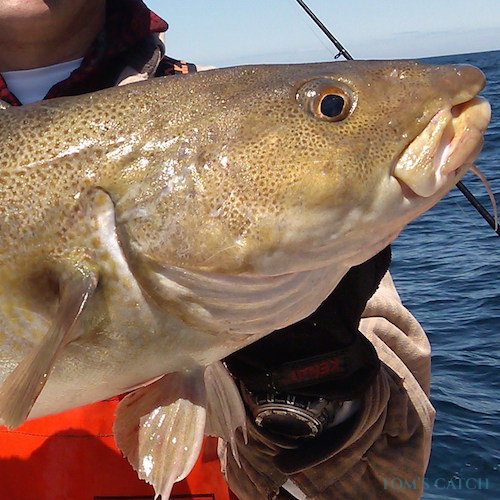
El bacalao es un nombre común para otras especies de pesca, como el bacalao del Atlántico (Gadus morhua) y el bacalao del Pacífico (Gadus macrocephalus). El bacalao se captura en aguas más frías y bastante profundas, cerca de zonas rocosas, pecios y desniveles. El bacalao puede pesar más de 50 kg.
MÁS INFORMACIÓN >Bacalao
-
![]()
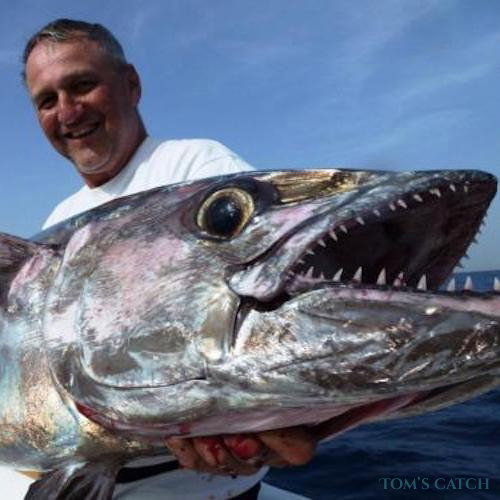
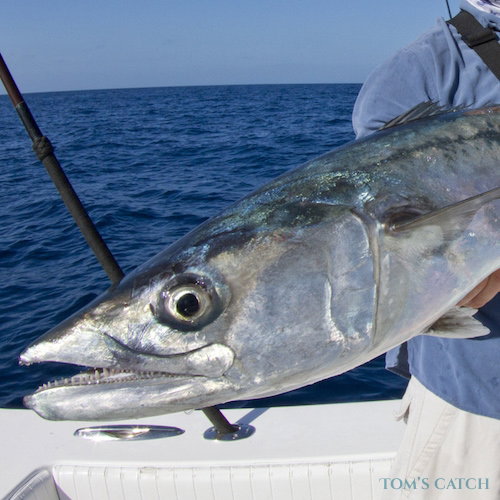
La caballa real (Scomberomorus cavalla) o pez rey es una especie de pesca común del océano Atlántico occidental y el golfo de México. La caballa real puede llegar a pesar hasta 40 kg (90 lb) y tiene dientes afilados como cuchillas.
MÁS INFORMACIÓN >Caballa real
-
![]()
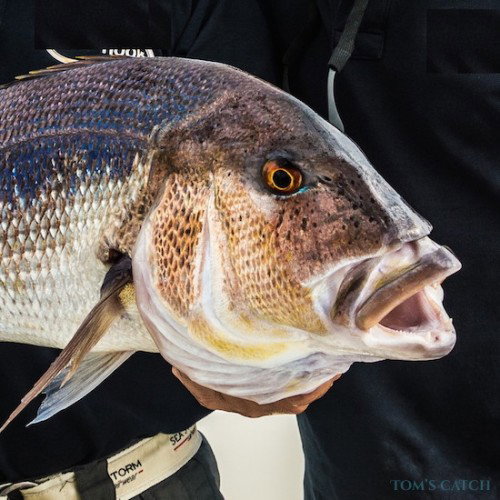
El dentex (Dentex dentex) es un pez de agua salada común en el mar Mediterráneo y el mar Negro, y a veces aparece en las islas Canarias, Marruecos y Senegal. Tiene dientes muy fuertes para alimentarse de peces, calamares y moluscos. El dentex es una especie ideal para la pesca deportiva y se captura principalmente con curricán o jigging. Los ejemplares más grandes miden 1 m de largo y pueden pesar hasta 15 kg.
MÁS INFORMACIÓN >Dentex
-
![]()
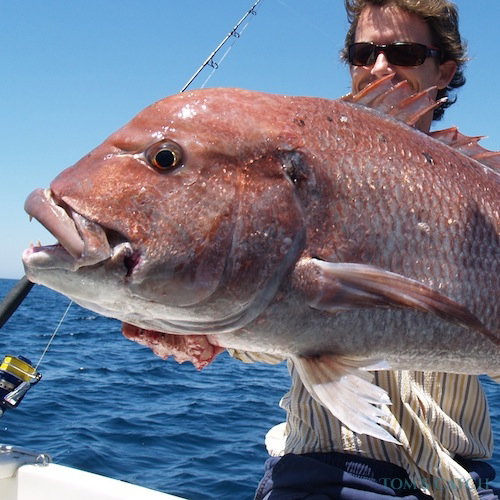
El dentex rosado (Dentex gibbosus) es un pez de agua salada que se distribuye desde Portugal hasta Angola, las Islas Canarias y las zonas más cálidas del mar Mediterráneo, como el sur de España y la zona del estrecho de Gibraltar, Marruecos, el sur de Italia, Túnez y Argelia. Los peces más grandes miden 1,2 m de largo y pueden pesar hasta 18 kg (40 lb).
MÁS INFORMACIÓN >Dentex rosado
-
![]()
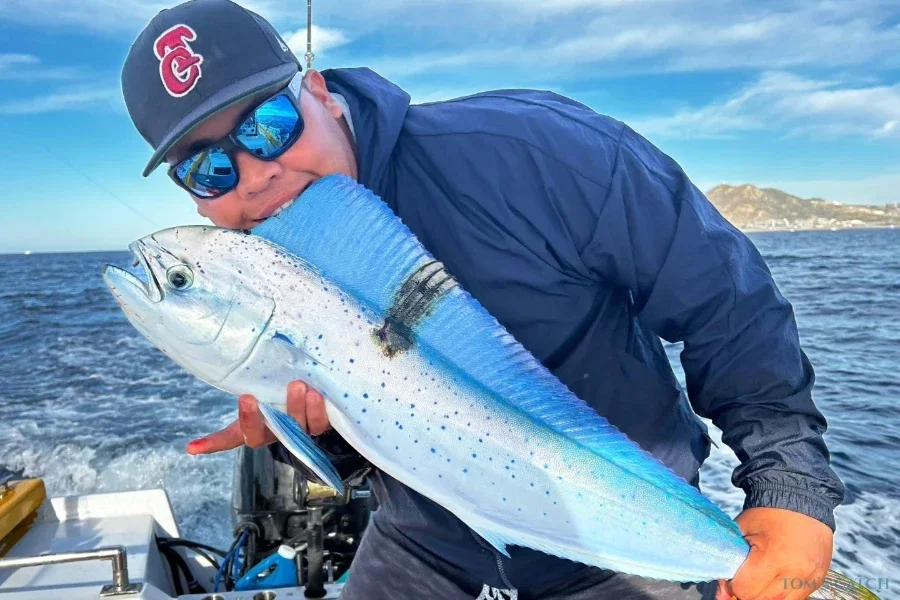
El dorado (Coryphaena hippurus) también se conoce comúnmente como dorado, delfín o pez delfín. Se reconoce por su cabeza roma, su larga aleta dorsal y su colorido brillante, azul oscuro y verde en el dorso y amarillo en los costados y la parte inferior.
MÁS INFORMACIÓN >Dorado
-
![]()
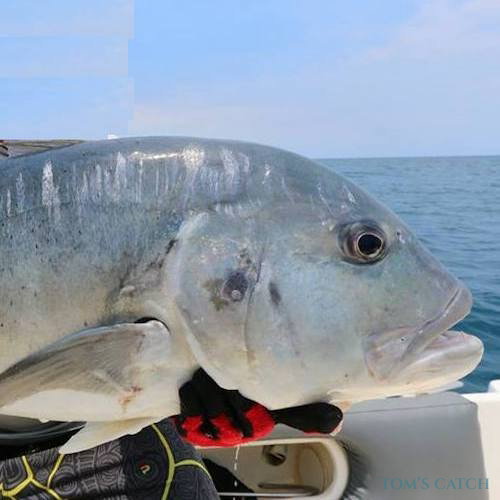
Distribuido por las aguas tropicales de la región del Indo-Pacífico, el jurel gigante, también conocido como GT (Caranx ignobilis), es la especie más buscada por los amantes del popping. ¡Puede medir 1,70 cm de largo y alcanzar hasta 80 kg (175 lb)!
MÁS INFORMACIÓN >Jurel gigante
-
![]()
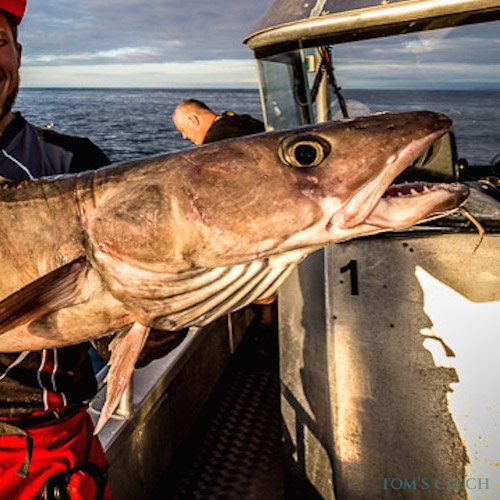
La maruca (Molva molva) es un pez común del Atlántico Norte, uno de los peces más grandes similares al bacalao. Es una especie muy popular que se captura en las islas británicas, Noruega, Islandia, Alemania, Países Bajos, Bélgica y Francia. La maruca puede alcanzar los 2 metros de longitud y pesar 40 kg.
MÁS INFORMACIÓN >Ling
-
![]()
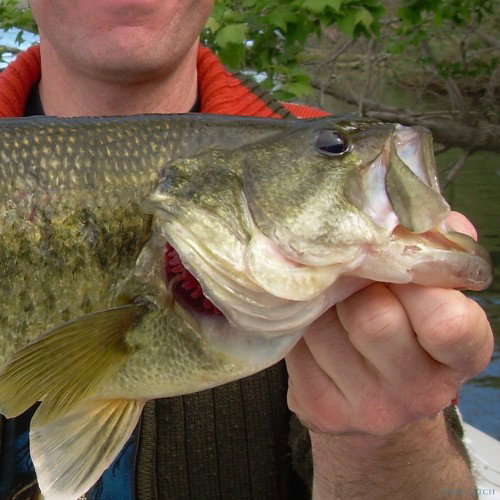
Black bass (Micropterus) es un nombre común para varias especies, como el largemouth bass, el smallmouth bass y el spotted bass, por ejemplo. Famosos por su gran capacidad de lucha, son peces muy codiciados para la pesca deportiva. Los black bass se encuentran en aguas dulces de Canadá, Estados Unidos, México, Portugal, España y Francia. Los black bass se capturan principalmente con spinning. Pueden crecer hasta 60 cm.
MÁS INFORMACIÓN >Lubina negra
-
![]()
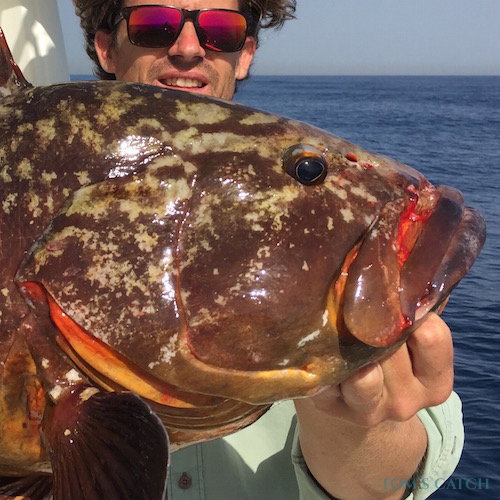
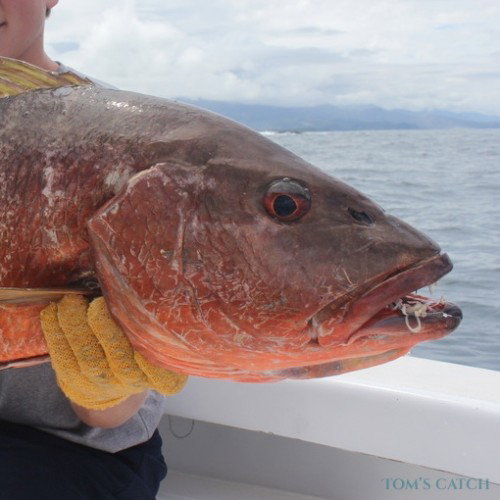
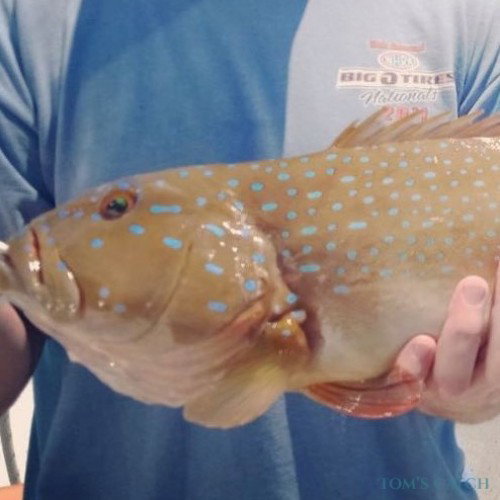
Mero es el nombre común para todos los peces con aspecto de lubina de la familia Epinephelinae. Por cierto, esta familia también incluye la lubina. Los meros son depredadores coloridos a los que les gusta vivir en zonas rocosas, arrecifes y pecios donde pueden esconderse.
MÁS INFORMACIÓN >Mero
-
![]()
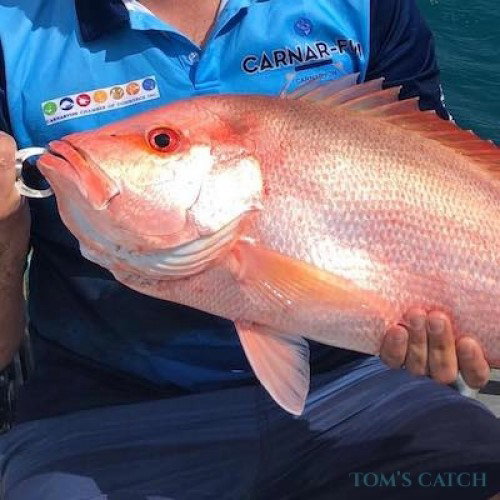
El nannygai es una especie de pargo. Varios peces de Australia se denominan nannygai.
MÁS INFORMACIÓN >Nannygai
-
![]()
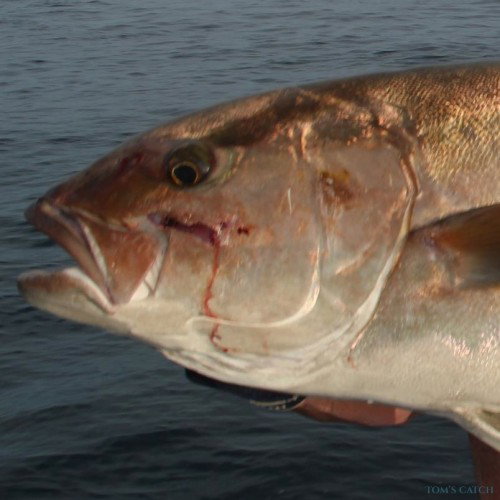
El pargo cubera (Lutjanus cyanopterus) es un pez muy codiciado que habita en las aguas costeras del Atlántico, desde Florida hasta el Golfo de México y el Caribe. Esta especie puede alcanzar una longitud de 160 cm y pesar hasta 50 kg. No debe confundirse con el pargo cubera del Pacífico.
MÁS INFORMACIÓN >Pargo cubera
-
![]()
Las especies de pez limón son peces deportivos que se encuentran tanto en el océano Pacífico como en el océano Atlántico y el mar Mediterráneo. El jigging y la pesca con cebo vivo son las mejores técnicas para capturar a estos magníficos luchadores. El pez limón mayor puede pesar hasta 80 kg.
MÁS INFORMACIÓN >Pez limón
-
![]()
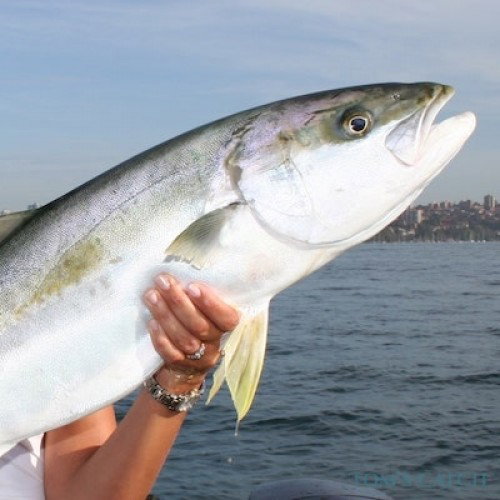
El pez rey de cola amarilla (Seriola lalandi) es un tipo de pez limón que se encuentra en el hemisferio sur. Puede crecer hasta 180 cm (70 pulgadas). El pez rey de cola amarilla se puede pescar desde Nueva Zelanda y Australia hasta Chile.
MÁS INFORMACIÓN >Seriola
-
![]()
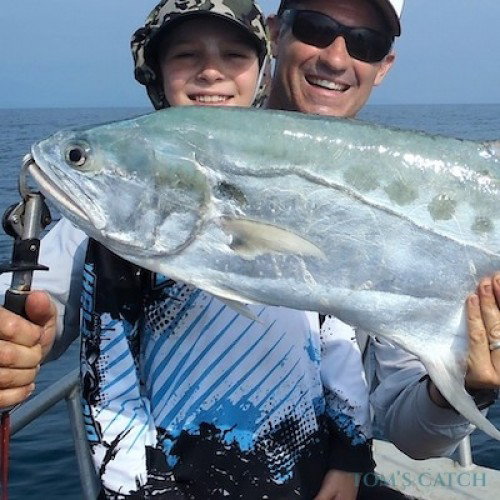
El pez reina (Scomberoides commersonnianus) es un pez del Pacífico muy reflectante, brillante y conocido por viajar en bancos. A veces luchan con tanta fuerza que mueren de agotamiento antes de ser devueltos al agua. También tienen espinas puntiagudas que pueden causar heridas si no se manipulan con cuidado. Los peces reina pueden llegar a pesar unos 15 kilos, pero lo más habitual es encontrarlos con la mitad de ese tamaño.
MÁS INFORMACIÓN >Talang Queenfish
-
![]()
La trucha coralina (Plectropomus leopardus) también tiene otros nombres comunes, como mero coralino leopardo o trucha coralina leopardo. Está estrechamente relacionada con los peces de las familias de los meros y los bacalaos coralinos. Pueden alcanzar una longitud de entre 23 y 62 cm, y la media general se sitúa en torno a los 40 cm.
MÁS INFORMACIÓN >Trucha de coral
-
![]()
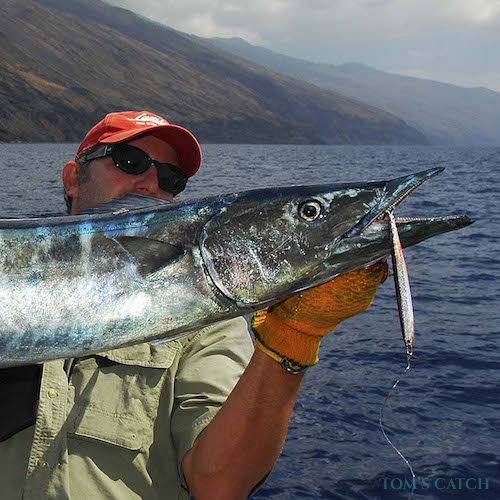
El peto (Acanthocybium solandri), también conocido como Ono (que significa «delicioso» en hawaiano), se encuentra en muchas aguas subtropicales y tropicales. Se identifica por su parte superior azul verdosa que se vuelve plateada hacia el vientre. También tiene rayas verticales azules a lo largo de los costados. Estos depredadores tienen forma de torpedo y bocas largas y grandes con dientes.
MÁS INFORMACIÓN >Wahoo

Los mejores lugares para probar Jigging
El jigging se puede practicar en cualquier parte del mundo para encontrar peces en aguas más profundas. Para practicar jigging extremo, te recomendamos Madagascar, Cabo Verde, Seychelles, Maldivas, México, los Cayos de Florida...


Los mejores Jigging Charters de pesca
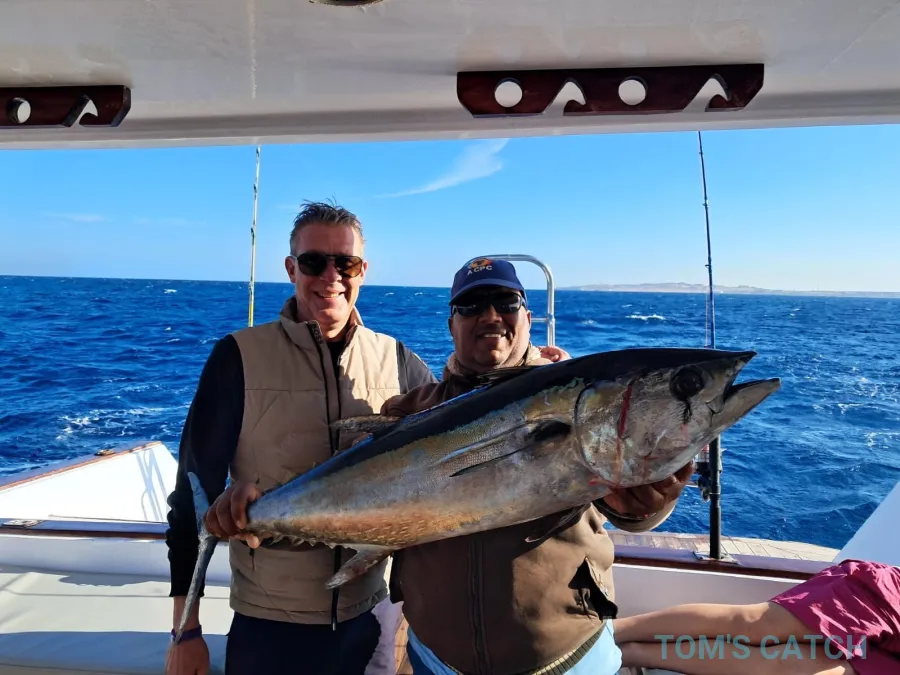
Fishing in Hurghada
Hurghada, Egipto
 24,00 m
10
24,00 m
10
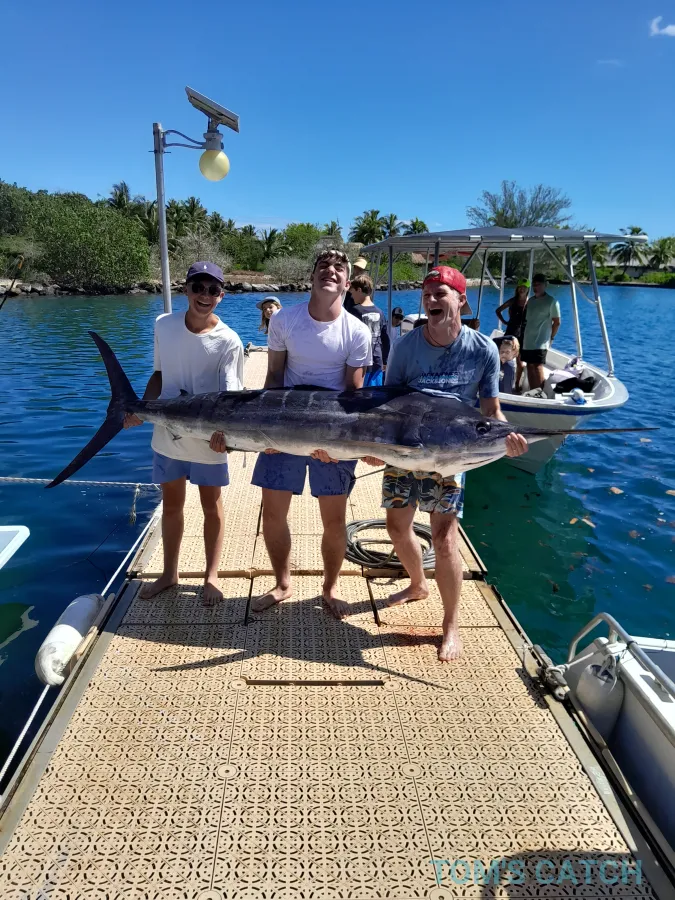
Moorea Evasion - Kokopu Nui
Tiahura, Moorea
9,00 m
12
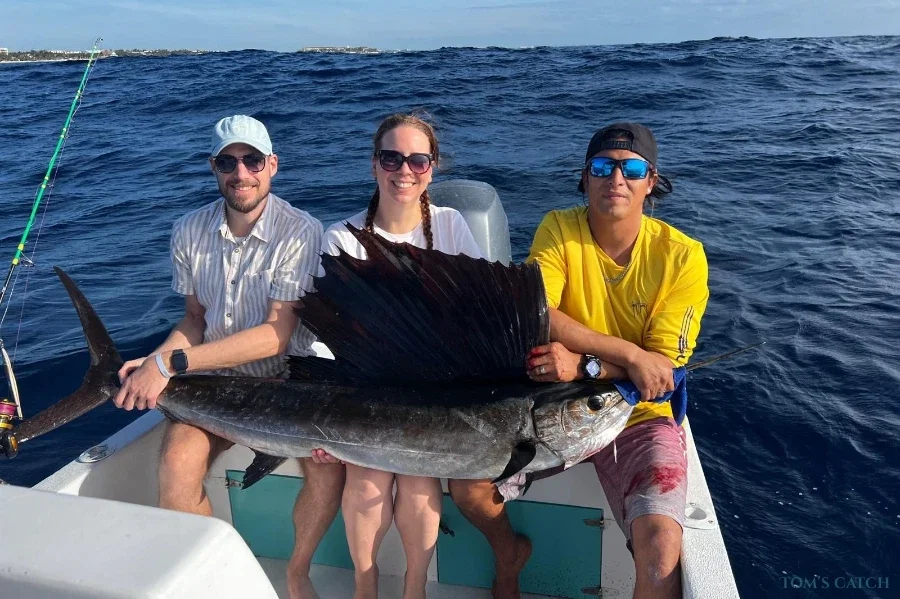
The Boat
Playa Del Carmen, Playa del Carmen
7,62 m
4
Chasing Blue
L'hospitalet De L'infant, Tarragona
7,62 m
5